
As much as Disney fans love a day in the Disney parks, sometimes that isn't possible. Disneyland and Walt Disney World can be too expensive to visit as much as you'd like. Or the parks can be too far away from home. Or a trip just doesn't fit in the family schedule right.
So a lot of us Disney fans have to settle for the next best option to get our fix: our local or regional amusement park!
First the good news: If you are skilled at navigating the Disney theme parks, you're way ahead of the game of the average guest in a smaller amusement park. Your Disney skills with continue to serve you well and will definitely transfer so you can make the most of your time and money at other parks.
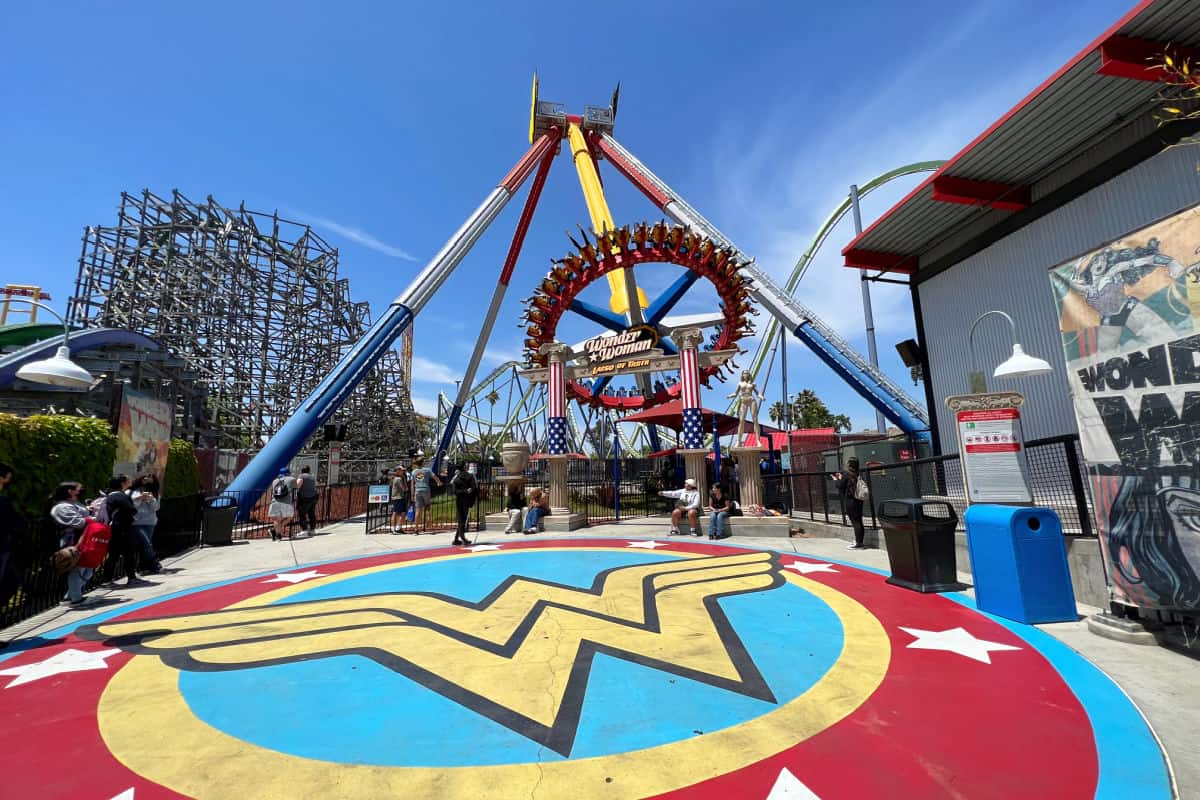
But there's bad news too: That doesn't mean you'll have an easy time. There is always learning curve to visiting any new park. And local amusement parks are definitely not Disney when it comes to things like efficiency, cleanliness, and convenience. Pack your patience and don't set very high expectations or you're sure to be underwhelmed or frustrated.
My Experience with Local & Regional Amusement Parks
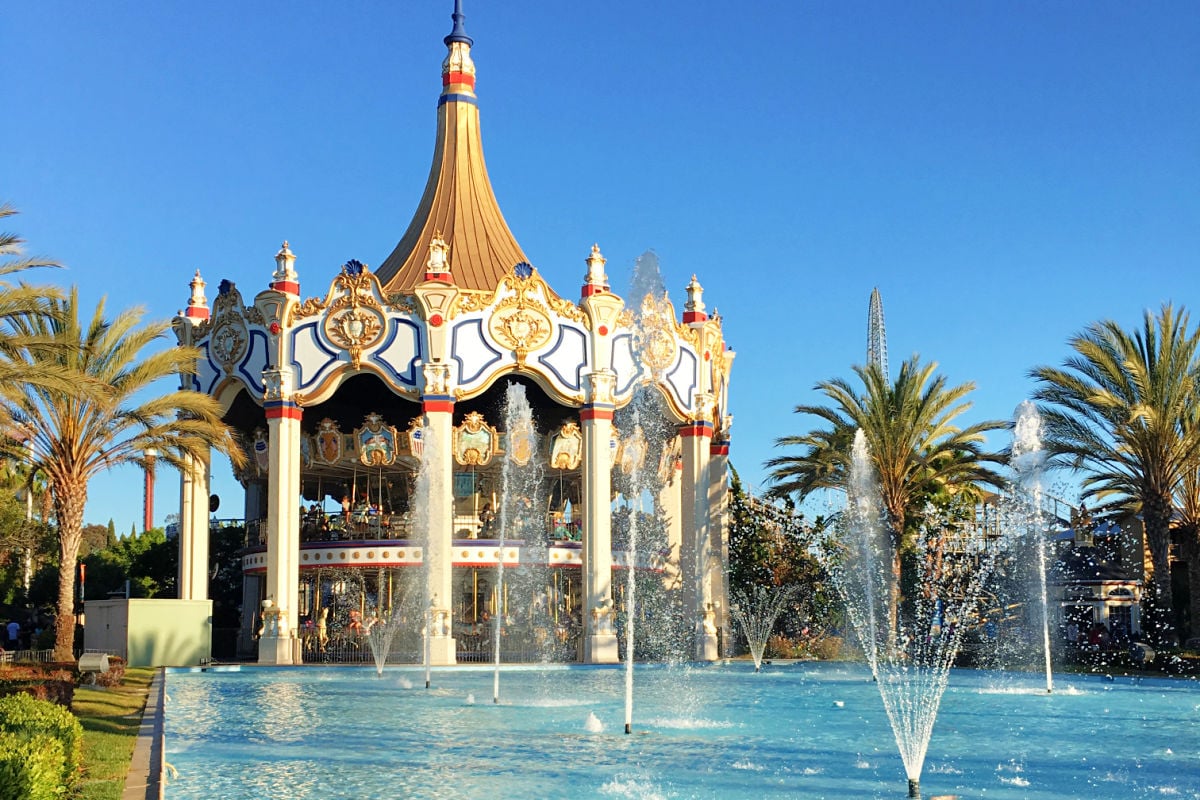
Over the years, I've been to dozens of local and regional amusement and theme parks. As a Disney expert, I have learned a lot of lessons and discovered just how I need to do things a little differently outside the Disney park bubble.
I regularly visit each and every amusement park in Northern California where I live: California's Great America, Six Flags Discovery Kingdom, Gilroy Gardens, and the Santa Cruz Beach Boardwalk.
Related: Guide to Every Amusement Park in the San Francisco Bay Area
And I've also been to many parks in other places around the country, including ones like Dollywood (Pigeon Forge, Tennessee), Legoland California, SeaWorld San Diego, Knott's Berry Farm (Buena Park, California), Busch Gardens (Williamsburg, VA), Lake Compounce (Bristol, CT), Six Flags over Georgia, and Carowinds (Charlotte, NC).

I've even been to a couple of non-Disney theme parks abroad, including the place that some would say started it all in the amusement park world: Tivoli Gardens in Copenhagen, Denmark.
As a result, I've seen a lot of different local and regional park operations in action, handled by a number of the major brands in this space. And I've come away with a lot of tips that have helped me extract value out of these experiences and have a great time, even without Disney-caliber theming and service. Here's how you can too!
Tips for Tackling a Local Amusement Park
1. Plan for limited park hours and dates.
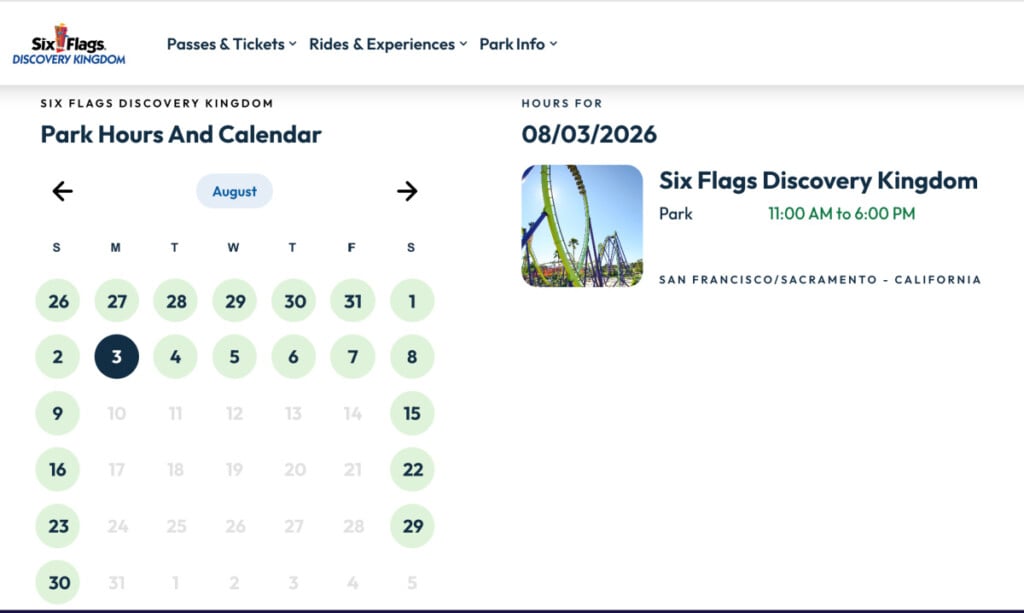
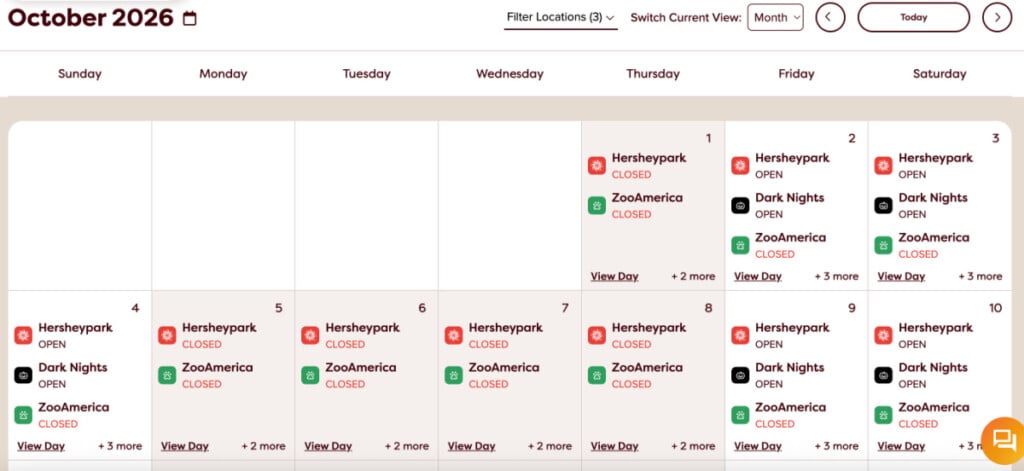
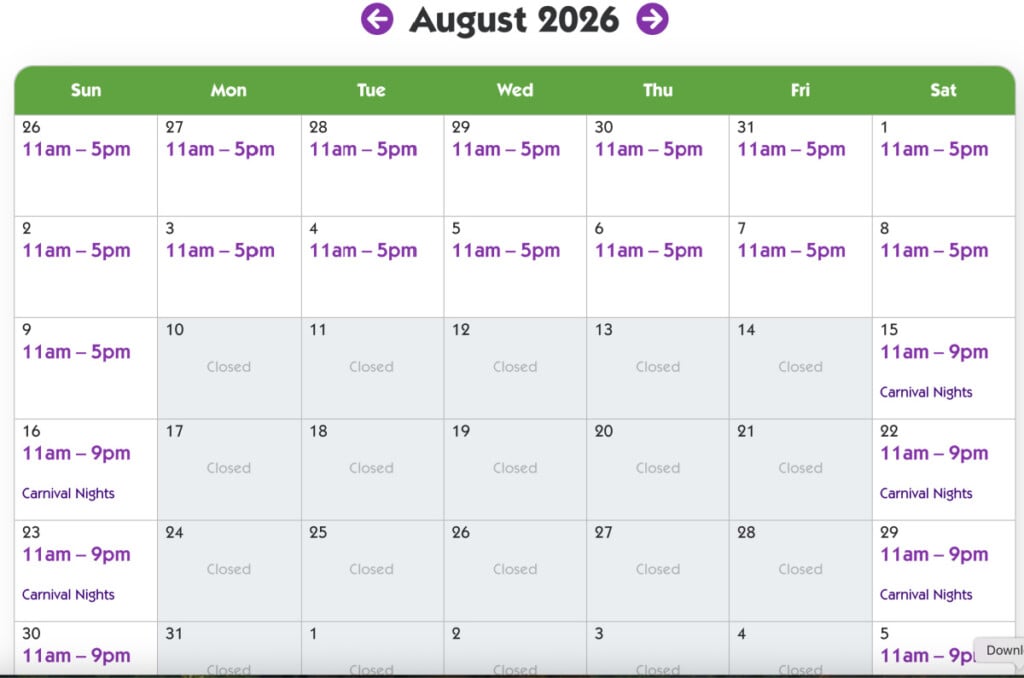
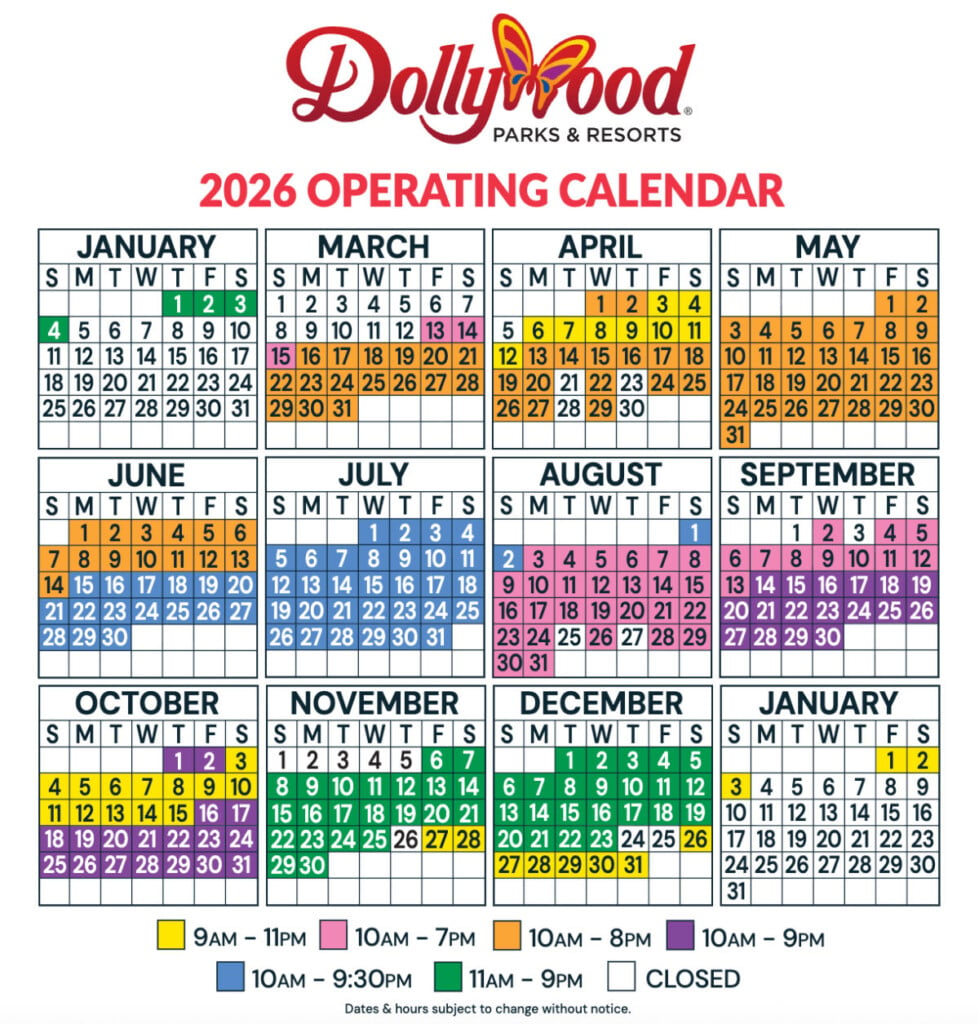
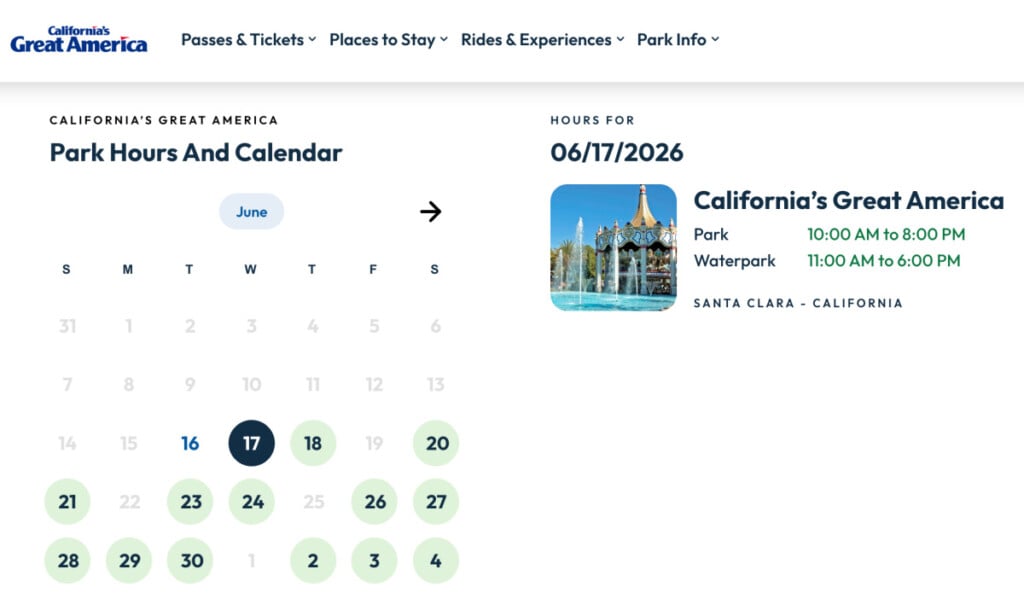
While Disney opens its theme parks 365 days a year, most local and regional amusement parks have opening hours and dates that are much more limited. Many of them close entirely for several months during the cold or rainy seasons, and many more of them are only open on weekends and holidays for the remainder of the year.
When these parks are open, their hours may be quite short, especially when they are open on weekdays. For example, Gilroy Gardens in my area is only open from 11am-5pm many days of the year. Even larger parks like Cedar Point or Hersheypark rarely have operating hours that match what most Disney parks offer.
That means you can't just plan to go to a local amusement park without checking the park's operating calendar. And I'd argue that you should check it early and often, as sometimes dates can change even after the season's calendar is released. Parks also often wait until the very last minute to close when there is inclement weather, so watch the forecast before locking in a visit.
2. An annual pass could be a more economical purchase than a single day ticket.
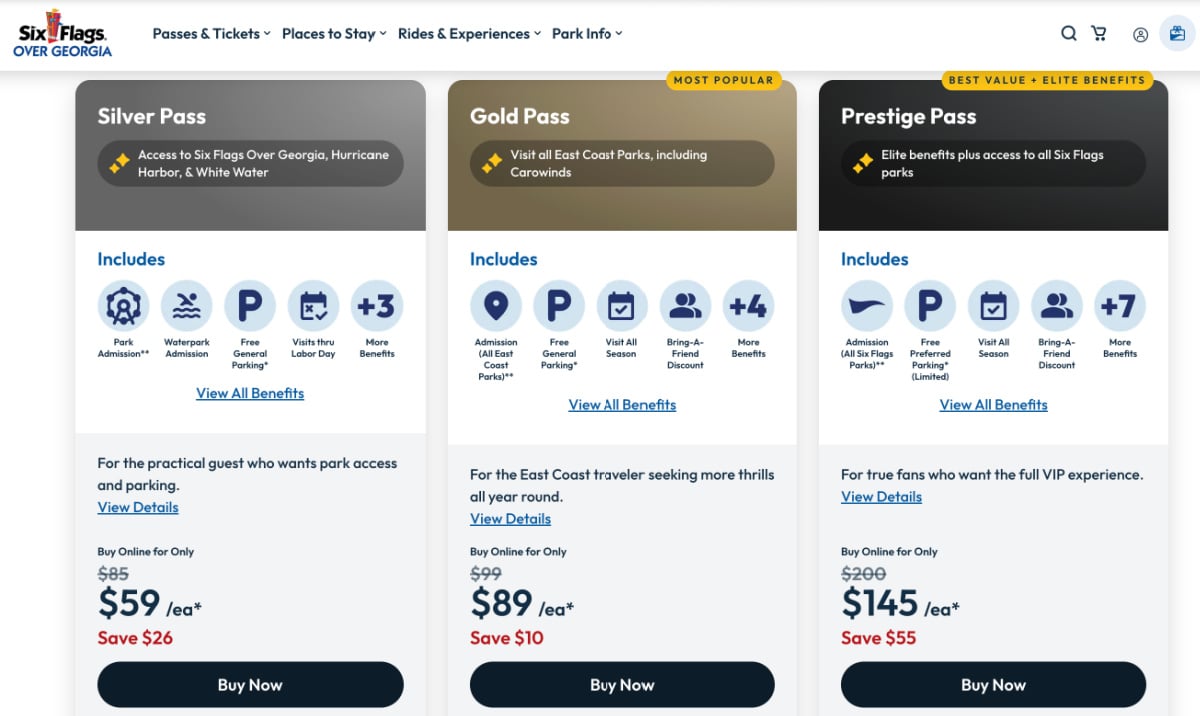
While annual passes at Disney theme parks will set a family back thousands of dollars and only become economical for very regular visitors, the opposite is usually true at local and regional amusement parks.
Annual passes at a lot of these parks are super cheap. At many parks, passes can actually pay for themselves in a single day's visit - or at least in two or three.
At a lot of amusement parks, annual passes include free parking. They often also include discounts on food and merchandise. So consider carefully what other extras you might be also need to pay for in a single theme park day because an annual pass might reduce or eliminate those extra purchases. In a lot of instances, it might make sense for at least one family member to buy an annual pass to unlock all of those additional discounts on just a single day's visit.
The key is doing the math, and also making sure to pay attention when sales are announced for any parks in your area. Often there are cheap annual passes sold in the fall and winter that include admission for the remainder of the calendar year as well as the entire following year's operating season - providing more than a full year of value.
If you visit multiple amusement parks owned by the same brand, a multiple park pass could also be well worth it. For example, Six Flags now operates 4 different parks and 1 water park in the state of California after its merger with Cedar Fair. It sells passes that include access to all of those parks for as low as $89 (depending on what you select as your home park). Multi-park passes to all Six Flags parks nationwide is available as well for as low as $149.
3. Buy single day tickets in advance - never at the gate.
If you do plan to buy single day tickets, however, never ever wait until you get to the gate to purchase. That's a recipe to overpay - and by a lot. Most regional theme parks have online prices set at a discount, even if you purchase as late as the morning on the day you plan to visit.
There can often be even greater discounts for the taking from other sources. For example, my ticket partner at aRes Travel sells good-any-day tickets to Gilroy Gardens for as low as $42 - nearly half off the list price of $80 and much more deeply discounted than the online advance purchase price on the Gilroy Gardens website of $65.
discount tickets & packages
Save on Local Amusement Parks!
Book discounted amusement park tickets & vacation packages with our trusted partner, aRes Travel! aRes offers discounts to lots of local and regional theme parks mentioned in this post plus many more, including:

4. Rope dropping has its limitations.
If you are a Disney diehard, you are probably used to "rope dropping" the parks to be able to do a lot of headliner attractions first thing in the morning when lines are short. Doing the same at some local or regional amusement parks is still smart to do, but it won't necessarily result in the same level of success.
At some parks, the staff members operating thrill rides and coasters won't start testing them until right around park opening - particularly if you are visiting outside of peak summer season when staffing tends to be leaner. That means that some rides won't be open for guests to board at the moment the gates are flung open.
I still think its advantageous to plan to arrive early at your local amusement park. There will still be many attractions open as the first guests come through the gate, and crowds will still be lowest for the first few hours of the day. You have to be prepared to adjust your strategy on the fly based on what is actually open.
5. You probably won't get advance notice of many ride closures.
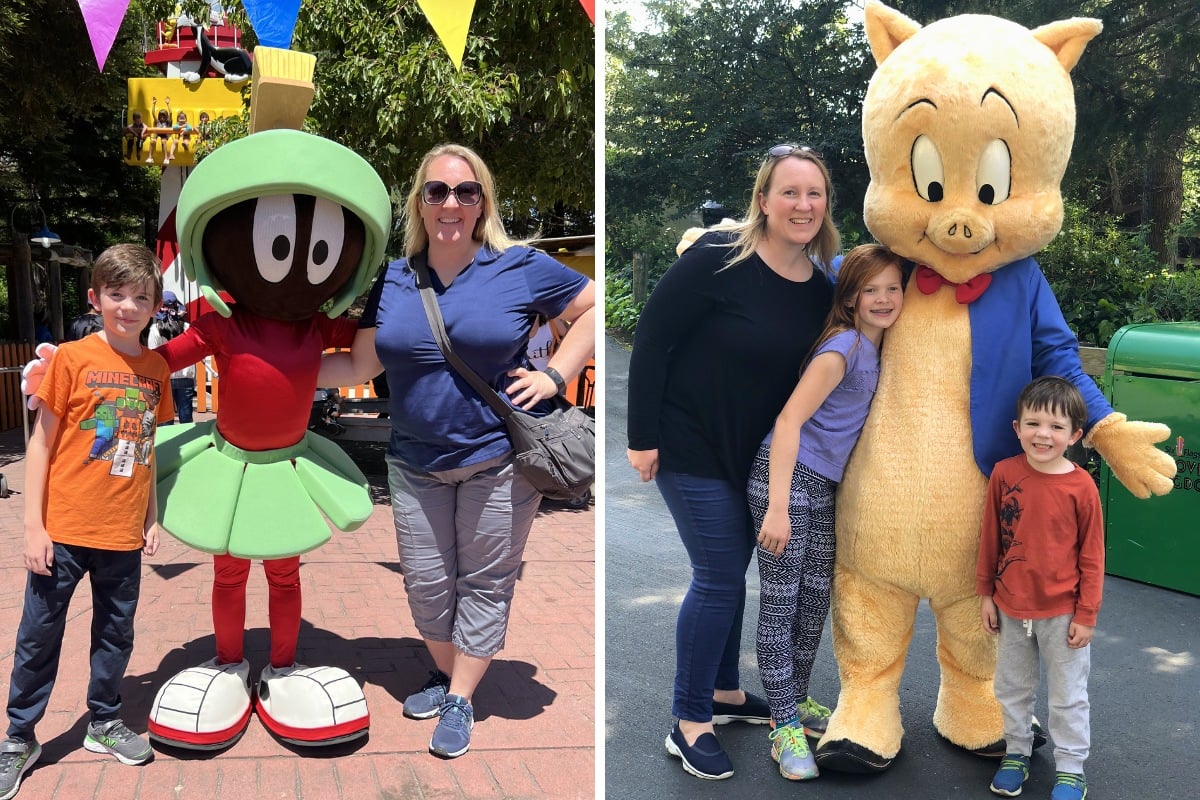
Speaking of what's actually open, another thing about local and regional amusement parks is that the attraction availability may not be super reliable. Rides are often broken and are much slower to get fixed. These parks often don't announce even planned closures in advance, so you won't know for certain whether an iconic coaster will necessarily even be open on the day you plan to visit. Don't get your heart set on any one ride.
6. Ride operations will be frustratingly inefficient.
Theme parks like Disney and Universal run a pretty tight ship, with high capacity attractions and multiple experienced cast members who load and unload guests onto each attraction. You simply won't find this level of efficiency at most local and regional amusement parks.
Many of them are often staffed primarily by teens on summer break getting paid minimum wage. A lot of rides are manned by a single employee doing multiple jobs in each ride cycle. As a result, even a short line can move frustratingly slow. Pack your patience and don't expect efficient ride operation. And adjust how you eyeball how long a line actually is!
7. There will be different ways to buy yourself out of long lines.
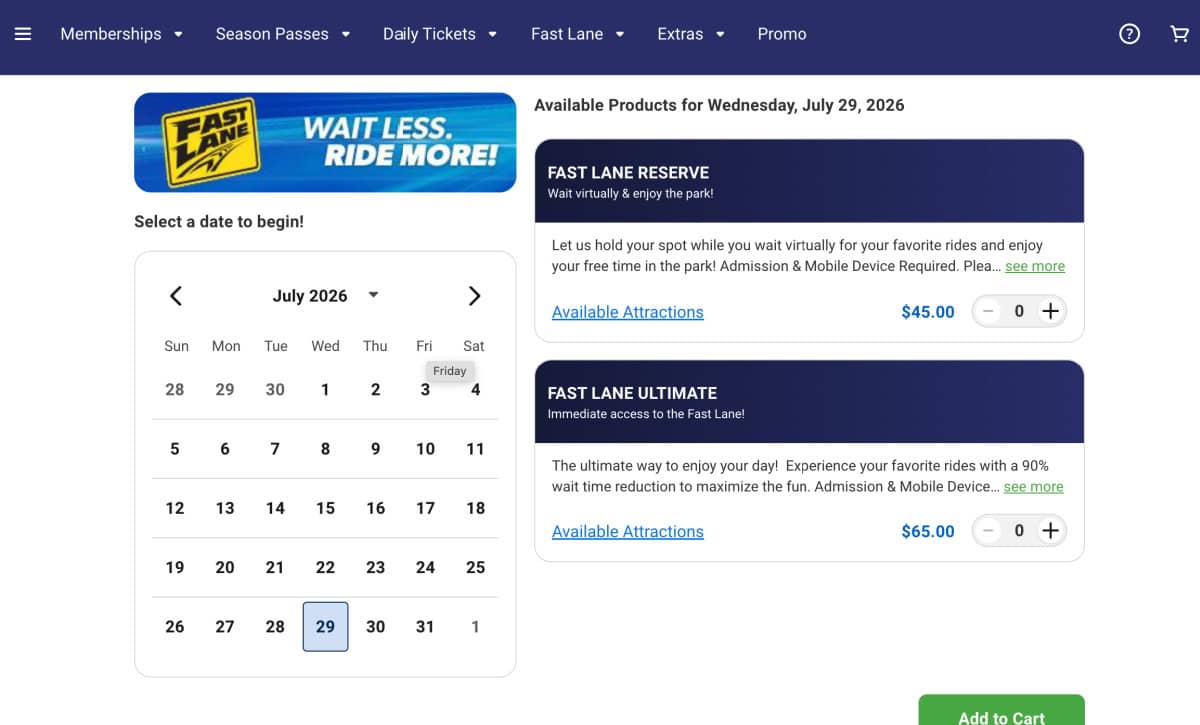
Already getting frustrated by slow operations reading the last few paragraphs? Thankfully, impatient guests can buy their way out of some of that. Regional theme parks make a lot of their money on the extras, and they are more than happy to sell express access to their most popular rides.
Six Flags parks, for example, offer FastLane - services similar to Lightning Lane at Disneyland or Express Pass at Universal. Prices tend to vary wildly, and there are a number of products sold, so check the fine print carefully.
Look in particular for offerings that may be available only within the park. For example, my local Six Flags sells a few expensive multi-ride FastLane products online. But it also lets guests buy less expensive a la carte FastLane passes to a single attraction by scanning a QR code within the park at select attractions. If you really want to skip a single long line for a popular coaster, this kind of offering may be the most bang for your buck - and it may not be well-advertised.
8. You might not be able to bring in outside food.
Since regional theme parks make their money on the extras, another revenue-driver is the in-park snacks and meals. Many of these parks will actually prohibit guests from bringing outside food into the park, forcing you into buying $15 slices of mediocre pizza if you plan to stay the bulk of a day. You likely will be able to pack a bag of goldfish or a few granola bars in your purse for emergencies (especially if you have young kids), but you might get stopped with anything more significant.
Eat a big breakfast en route to the park or even consider bringing a cooler in your car and breaking mid-day in the parking lot for a cheaper lunch (if the park has re-entry privileges). Or budget for the food! Some of these amusement parks have been adding local seasonal food festivals that can be a surprise hit.
Note as well that these regional and local theme parks may also have some additional rules beyond food as well. The most talked about in recent years is the chaperone requirement that some parks have had to institute to reduce bad guest behavior from some groups of teens. So make sure you know what unique rules your local park has that you need to abide by.
9. The thrills will likely be bigger.
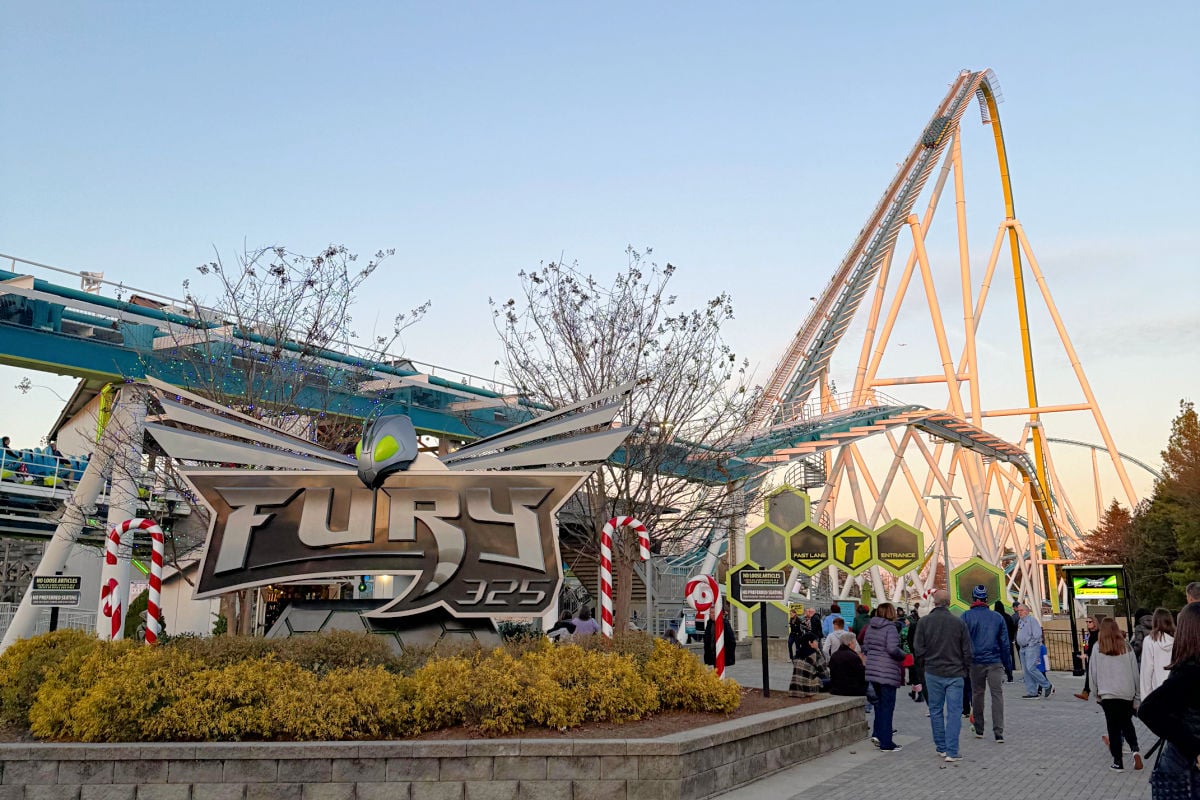
Lest you think this article has been all negative in comparing regional and local parks to the efficiencies and quality of Disney, there is one major category in which these parks tend to beat Disney: thrill rides. The coasters at most regional amusement parks (with the obvious exception of amusement parks focused on young kids exclusively) are usually much, much more thrilling.
Disney only has one coaster on each coast with a single inversion (Incredicoaster in Disneyland and Rock 'N' Roller Coaster in Disney World). A single park like Six Flags Magic Mountain in Southern California, in contrast, boasts a total of 43 inversions across its portfolio of coasters.
If you are a coaster enthusiast, you'll get a lot more bang for your buck at the regionals. And if you are a parent of thrill-seeking teens, they may find much more to do in a day's visit there. My teen and I will never forget our first ride on Fury 325 (which was North America's tallest and fastest steel coaster until last year) at Carowinds in North Carolina!
10. There might not be a lot of attractions the whole family can do together.

Because so many regional amusement parks are focused on the thrills, they are often jam-packed with rides that many kids won't be tall enough for or ready yet to ride. Many of these same parks thankfully also have pretty robust "kiddie areas" with inexpensive off-the-shelf attractions for toddlers, preschoolers, and younger elementary age kids. A lot of these attractions may have height and weight maximums.
But what these parks often lack is anything in between. Disney has a lot of rides the whole family can enjoy together, but there are very few local theme parks that have more than just a ride or two in this category.
As a result, you may often find yourself dividing and conquering, especially if you have kids with a large age gap in between. And if you have an older child who doesn't really love massive coasters but who has graduated from the kiddie rides, the rides they may be interested in could be pretty limited.
11. Entertainment can be a big hit - or a big miss.

Because local amusement parks are not "theme parks," what some parks lack is the entertainment that goes along with theming. The highlights at these parks tend to be the rides themselves, with sparse or low-quality live performances. Depending on the park you are visiting, live entertainment might be pretty weak or non-existent.
There are, of course, obvious exceptions to this rule, and those exceptions loom pretty large. Dollywood in Tennessee, for example, has impressively robust entertainment offerings that rival what Disney puts on - and understandably so given the park's namesake. Amusement parks that are known for live animals, like the Sea World parks or Six Flags Discovery Kingdom in my area, may also have more engaging show and entertainment schedules.
Just know that what you are going to get in this area varies wildly, so research carefully to decide whether you need to allocate time to shows or focus entirely on rides.
12. You will have to work a little harder to get reliable info about smaller parks in advance.
Disney fans love to plan, and there are thousands of Disney influencers, content creators, bloggers, and vloggers who have made it their mission to help other guests do just that. It's easy to get up-to-the-minute information on every little thing happening in the parks there.
Finding similarly in-depth and up-to-date content is next to impossible for many smaller local and regional theme parks, as there really is a dearth of reliable strategy information about many of them. To some extent that's okay. You simply don't need to plan as much for regional amusement parks as you do for a day at Disney.
But that doesn't mean you should go in completely unprepared to one of these parks. You'll definitely have a more efficient and enjoyable day if you can learn something about the park layout, operations, and idiosyncrasies and have a little bit of a strategy planned out.
So where do you turn for this information? Your best bet is to find a local blogger or vlogger who visits that park regularly, like I do for the Northern California amusement parks (shameless plug, I know!).
You can also often find good information buried in Reddit. Look especially at the r/rollercoasters and r/themepark Subreddits as well as for Subreddits that may exist independently for larger regional parks like Dollywood, Hersheypark, or Six Flags Magic Mountain.
Beware AI-generated information and scammers in this space. A lot of what Google search or Facebook groups will surface initially is not good quality information in my experience.
Final Thoughts
Despite their limitations and occasional frustrations, local and regional amusement parks can be really fun destinations for family travelers to visit. My family has had many memorable experiences when we do have to "cheat on" Disney from time to time - and we've saved a ton of money mixing things up with less expensive smaller parks closer to home or close to other destinations we are already visiting.


Leave a Reply