
Happy 2026! Many travelers spend time in January planning travel for the upcoming year, especially spring break and summer trips. In the last two weeks alone, I've booked over a dozen flights and hotels for various members of my family as we look forward to an especially busy season of travel taking us to places from New England to North Carolina to Utah.
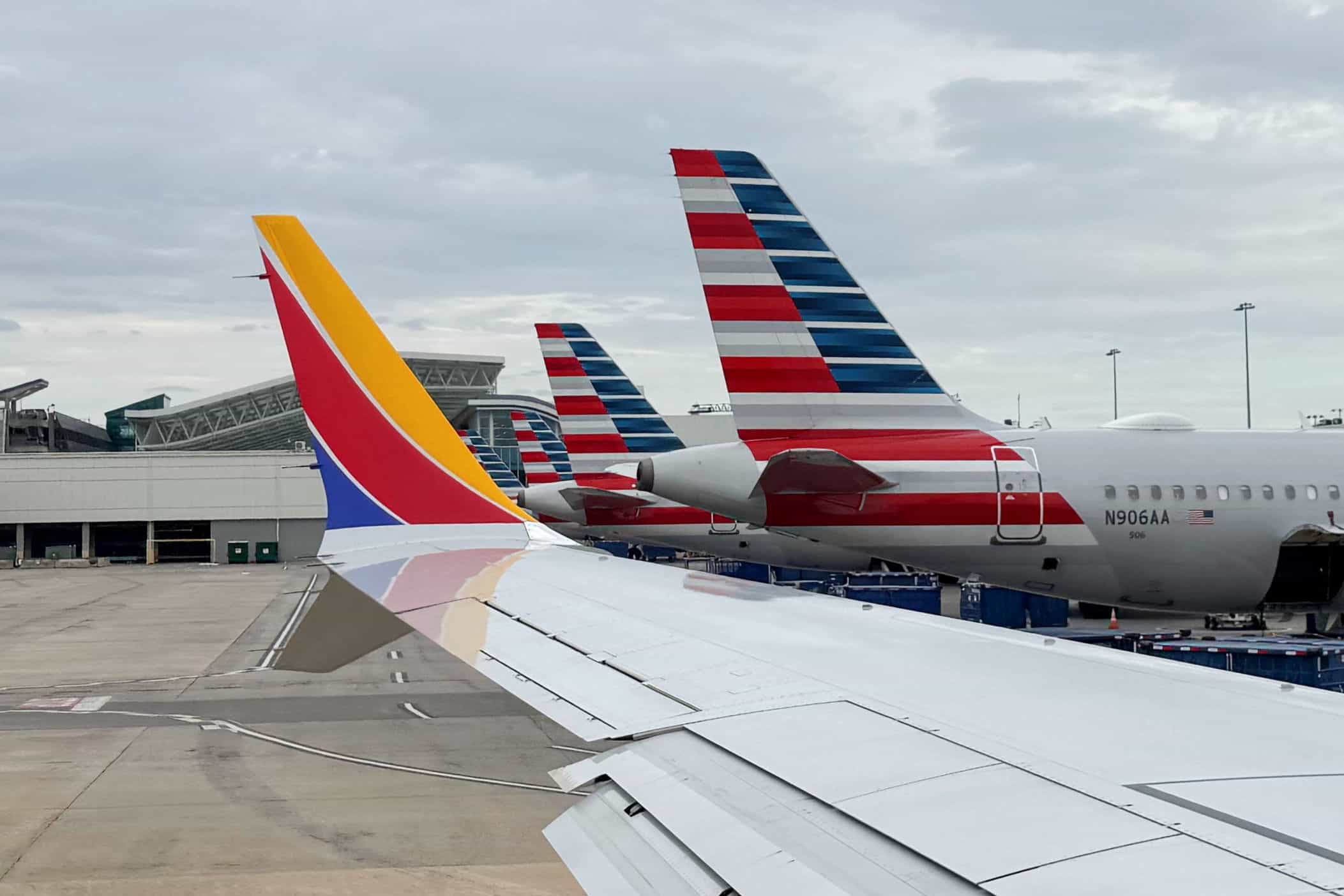
If you are planning upcoming travel too, there are some things that are changing in both major and minor ways in the new year that you need to know about to make smarter travel plans. It can be hard to pay attention to all the travel headlines, so here are five of the most significant changes that are happening in U.S. travel in 2026 so you can get caught up quickly.
1. Southwest seat assignments are (almost) here.
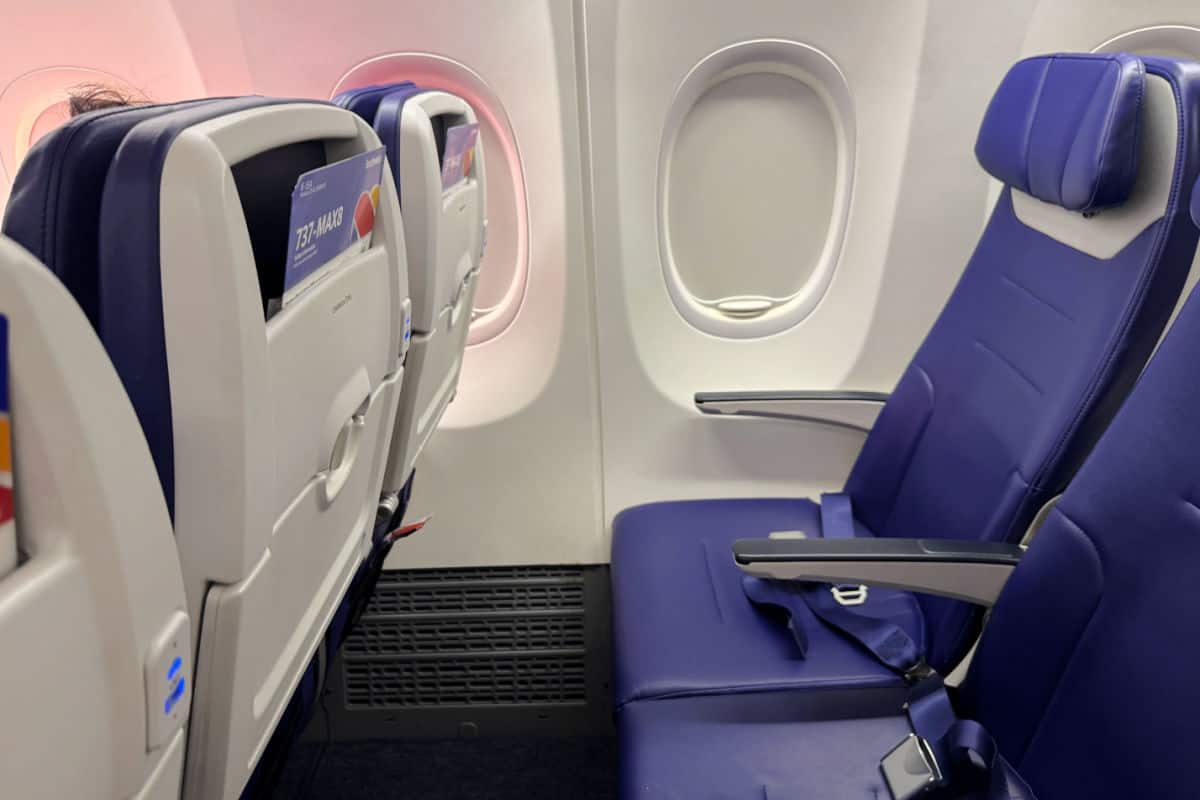
Southwest Airlines is one of the four largest airlines in the United States, so changes it makes affect the domestic air travel market in major ways. Southwest already unveiled a number of major changes in 2025. The last and perhaps most significant of these changes - assigned seating - is going into full effect on January 27, 2026.
Related: What I'm doing differently to adjust to Southwest's recent changes
Seats have been on sale for these flights for many months, so many travelers (myself included) have already purchased flights with assigned seating. But until these flights start flying, we won't have the complete picture of how it will change the Southwest experience.
Will family travelers have more experiences of being split up if they buy the least expensive fares? How will the new boarding order affect which travelers will be forced to check carry on bags if overhead bins fill up? Will seat prices quickly creep up as they undoubtedly have on other airlines in the last few years?
I'm cautiously optimistic about this change overall, as many of travelers value the certainty of seat assignments and prefer optional upsell perks like extra legroom. For me personally, I expect my experience with assigned seating will be quite positive, as I get seats for free with a premium Southwest co-branded credit card (and my current Southwest A-List status).
But I'd be lying if I weren't a little bit concerned about the confusion it is going to bring for infrequent travelers. The transition could be rough. I cover Southwest travel regularly and extensively on the site, so stay tuned for future updates.
2. Fees & reservation rules at U.S. National Parks are changing.

The U.S. National Park system is doing a number of things differently this year as a result of executive orders from the current administration and new leadership at many individual parks. If you are a U.S. citizen or resident, the changes thankfully won't cost you more, but the effects of the changes are likely to ripple through the entire system.
For international visitors to the United States, the price to enter the 11 most popular national parks is going up - way up. The National Park Service now charges an additional $100 per person fee for all non-resident guests ages 16+ to enter Acadia, Bryce Canyon, Everglades, Glacier, Grand Canyon, Grand Teton, Rocky Mountain, Sequoia & Kings Canyon, Yellowstone, Yosemite, and Zion.
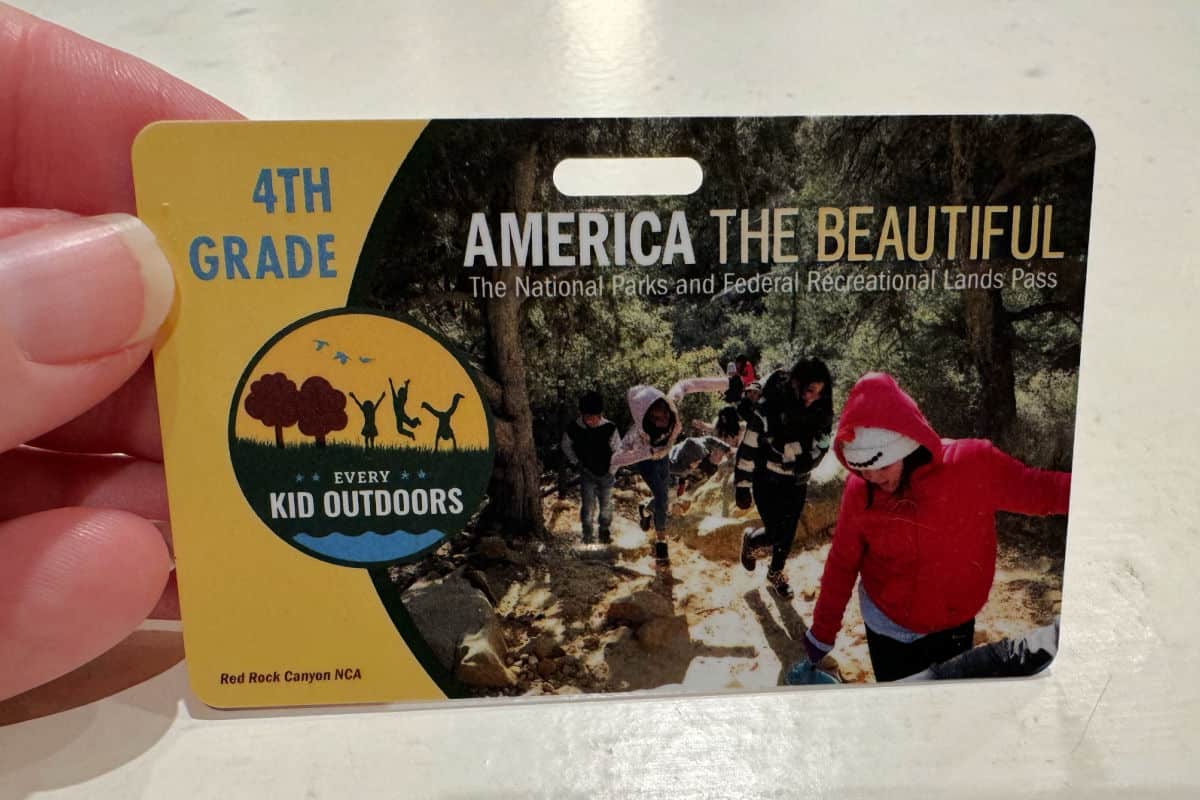
Alternatively, non-residents can purchase an America the Beautiful National Park Pass for $250 which covers the passholder and up to 3 additional adults in the same vehicle (the pass remains $80 per year for U.S. residents). Non-residents are also not permitted to take advantage of NPS fee-free days.
There are already fewer foreign nationals visiting the U.S. for tourism of late, and it's likely these fees will drive more of those travelers away from national parks. These changes will assuredly have negative effects on the businesses that surround the parks - hotels, tour companies, etc. And early reports are that resident verification confusion is contributing to longer lines at entrances too, inconveniencing everyone.
But for many U.S. residents there may be a silver lining in the coming months. Parks could well be a little less crowded this year. So this may be a good summer to plan a national parks summer road trip or schedule a weekend getaway to one close to home.
Related: Beginners guide to national parks travel
That said, some national parks are substantially changing the access and reservation policies that have been in place the last few years which could actually increase crowds. For example, Yosemite will not be requiring park reservations for February visits during the high-demand Firefall viewing, as it has in the last several years to control crowds. The park's superintendent also recently signaled that summer entry reservations are likely going away in 2026 as well. Similarly, Glacier National Park does not plan to require timed entry reservations to drive the Going-to-the-Sun Road this summer.
Reservations requirements and similar rules are a fast-moving target, with policies changing on a dime with little notice. So it's vital to check official sources like the website of the park you are visiting early and often.
3. Many travel rewards cards have higher fees & new benefits.
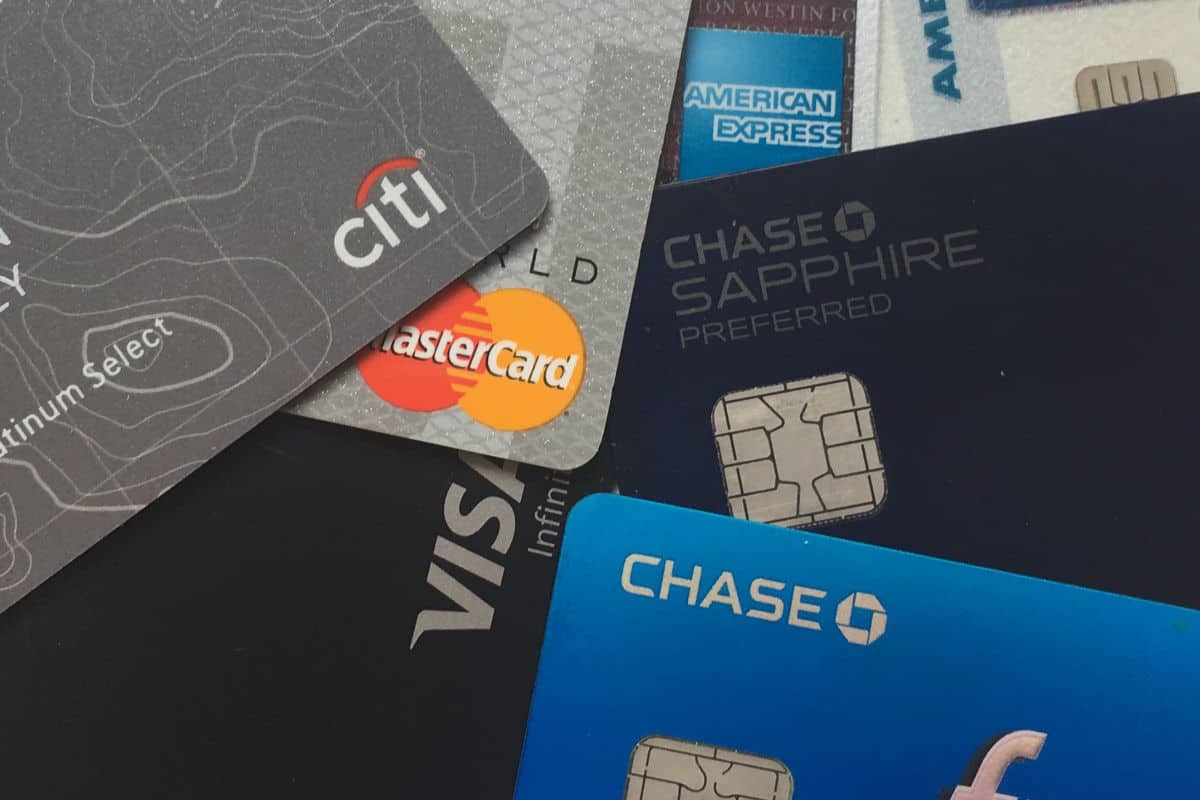
Savvy travelers who use miles and points to save on vacations likely have a travel rewards credit card in their wallet. Or if you are like me, you might have a dozen or more of them! The major banks did a serious overhaul of several of the most popular premium travel rewards card last year, mostly increasing annual fees and swapping out many incidental perks.
Cards that have changed substantially in the last few months include:
- Chase Sapphire Reserve: Annual fee increased from $550 to $795 (and authorized user fee from $75 to $195). A number of new coupon-book style benefits have been added, including credits for purchases like Apple TV+, Stubhub, and The Edit booked through Chase Travel.
- Amex Platinum: Annual fee increased from $695 to $895. A number of new coupon-book style benefits have been added, including credits for purchases Fine Hotels + Resorts or The Hotel Collection via Amex Travel, Resy restaurants, lululemon, and select streaming services.
- Southwest credit cards: Annual fee increases across every co-branded card, but cards now include a free checked bag benefit and some seat assignment perks (varies by card). See the complete details in my Southwest credit card comparison guide.
These higher annual fees are now starting to hit more travelers at their card renewal date. If you've gotten complacent about your card portfolio, now really is the time to look at the new and changed perks on your cards in light of increased fees. Are you getting enough value out the perks (without a lot of extra work) to justify the fees? Have your family's travel patterns changed or evolved such that other cards might now be a better fit to maximize rewards?
Knowing that all these fees and benefits were changing on several cards we held, I did a full assessment of my family's card portfolio last fall. We canceled some cards, converted some of them to less expensive cards in the same card family, and even signed up for a few new cards. The changes will add up to literally thousands of dollars in extra travel benefits for our family in 2026 alone.
4. Real ID is actually being enforced for domestic travelers.
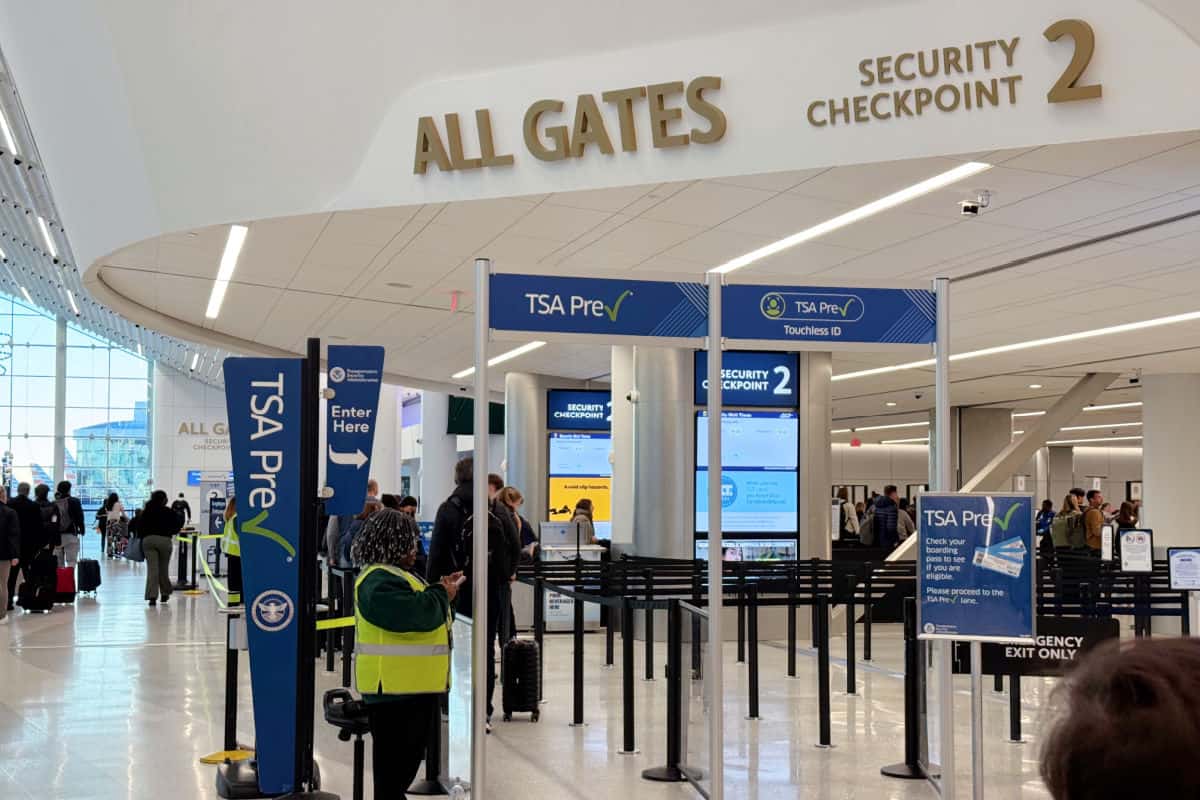
Procrastinators beware. While it may have taken a couple of decades to get here, you actually do need to have a Real ID if you want to fly domestically in 2026. So if you haven't made the trip to the DMV in person to cross this thankless task off your to-do list, it's time to add this to your list of New Year's resolutions - for real!
If you have trips coming up before you can get to this task, all hope it not lost. If you have a passport, that of course satisfies the Real ID requirements, so you can use that for domestic U.S. travel. If you don't, however, your only option starting February 1, 2026 is to pay $45 to use the new TSA ConfirmID system.
Not having a Real ID will definitely slow you down in addition to now costing extra, so for the 6% of domestic travelers who haven't gotten this done, it's time.
Related: All the tricks and shortcuts for speeding up airport security
5. Beware Basic Economy - these fares are getting even worse.
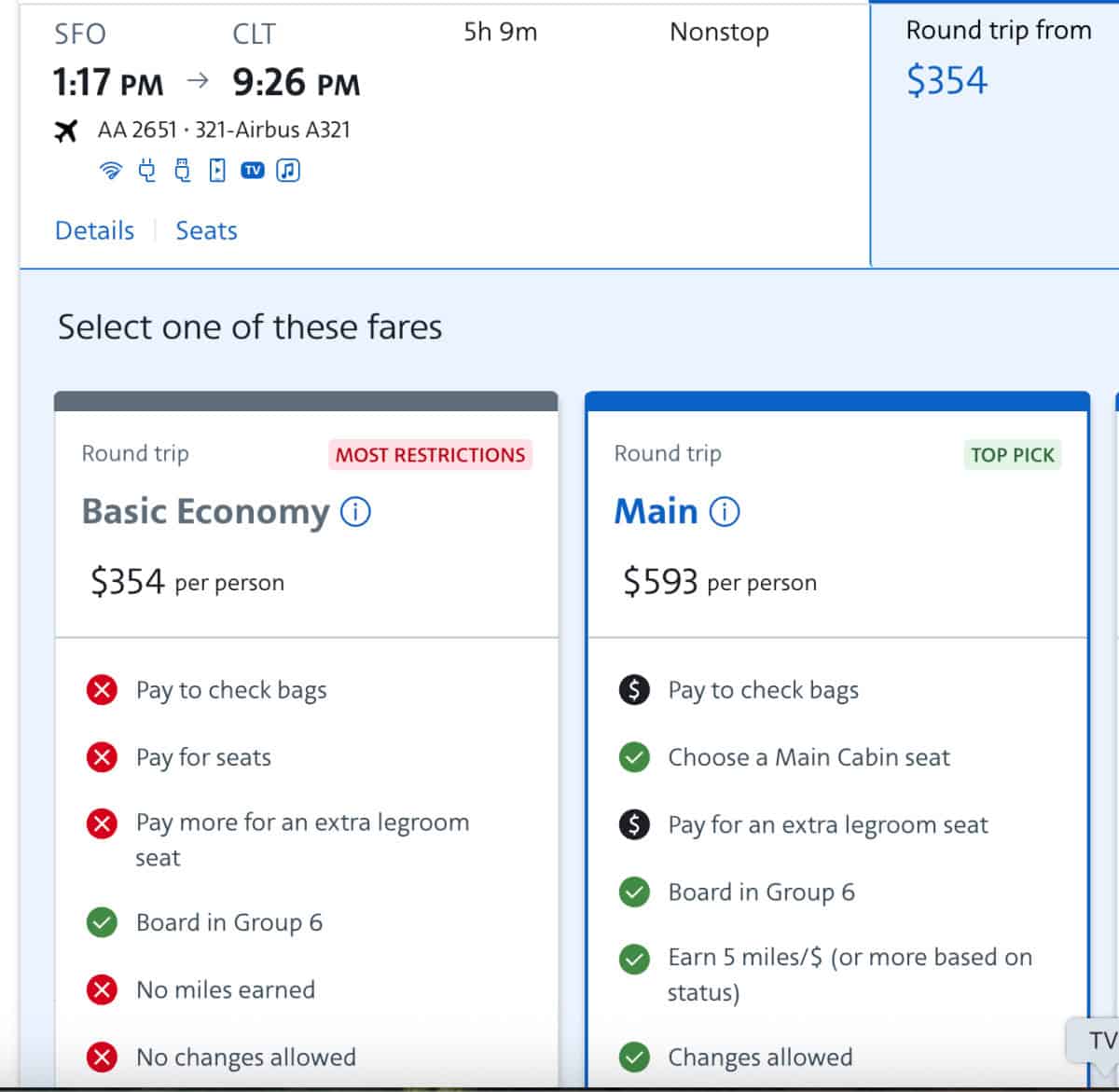
The widespread adoption of Basic Economy fares by major U.S. airlines over the past decade has been a blessing and a curse. Sometimes they help budget-conscious travelers save serious money, but other times they just are a trap for the unwary and make the air travel experience that much more miserable.
Although it seems like the airlines can't go even lower, Basic Economy is actually getting worse in 2026 on several airlines. American Airlines, for example, just quietly made Basic Economy tickets ineligible for any AAdvantage frequent flyer mileage earning.
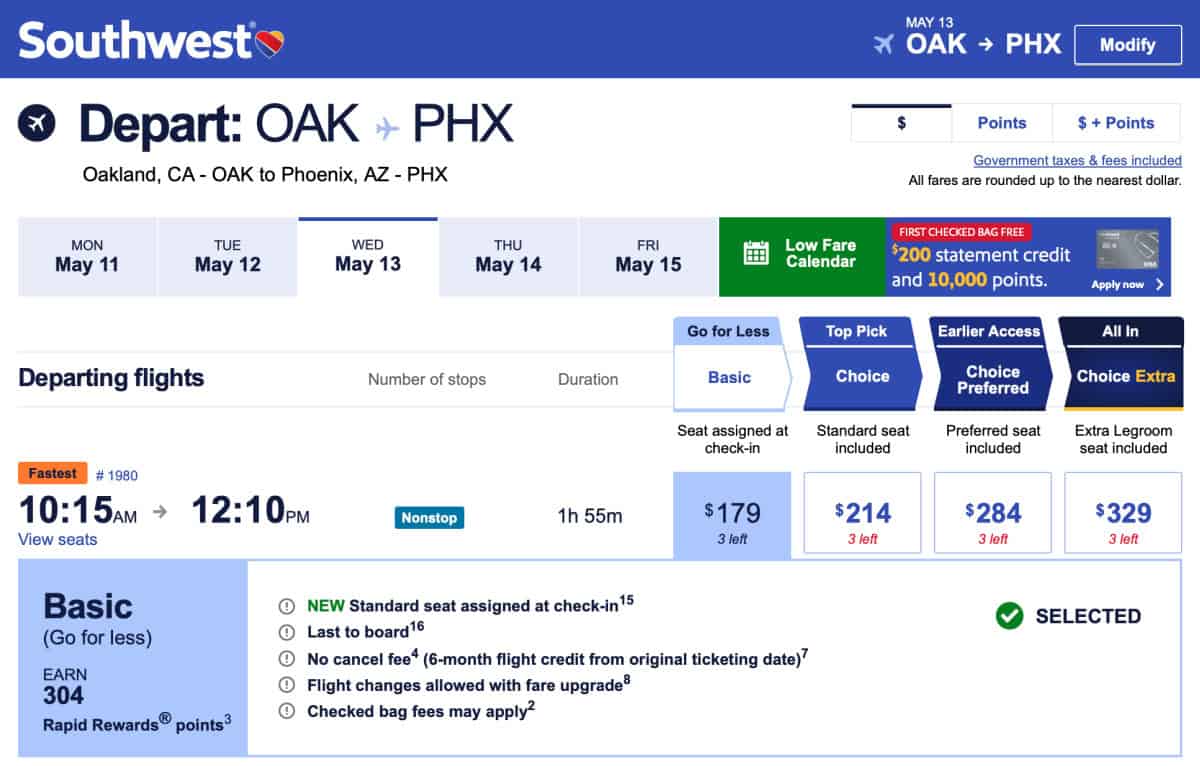
And earlier last year, Southwest renamed its cheapest Wanna Get Away fares "Basic" and made the perks substantially inferior. You'll now earn fewer Rapid Rewards per dollar spent and only get a flight credit that is valid from 6 months from the time of booking (instead of the standard 12 months) if you need to cancel.
While other domestic airlines haven't made changes to their Basic Economy products in 2026 (yet), travelers really need to read all the fine print carefully before booking these fares. The rules and restrictions differ substantially from airline to airline, and those differences can lead to some nasty travel-day surprises or extra costs if you aren't careful.
For example, United is the only major U.S. airline that does NOT include a free carry on bag with its Basic Economy fares. You can only bring a personal item, and the airline has been cracking down on enforcement of this rule of late. So unless you are taking a very quick trip where you can pack in a backpack, this fare may not work for you.
Final Thoughts
Travel within the USA is definitely going through some important transitions in 2026 on every front - from flying to rewards credit cards to national parks. While some of these changes will cost more or make certain kinds of travel more inconvenient for some people, many travelers can adjust successfully to the changes if they are armed with knowledge and information. Happy 2026 travels, wherever you plan to go!



Leave a Reply