
Southwest Airlines has made some major changes within the past year. Seat assignments, checked bag fees, and the end of cattle call boarding: it's all pretty discombobulating. If you've been used to the way Southwest used to get things done, you need to adjust your strategies.
You've probably seen the negative headlines or social media posts recently about Southwest, and many of those criticisms are definitely warranted. But some of them stem from fundamental misunderstandings on the part of passengers about how to navigate the new way the airline operates.
Southwest's new rules present some opportunities and offer benefits to some types of travelers, but they also have set quite a few traps for the unwary. If you do things the wrong way because you don't know how things have changed, you might just find yourself paying more than you need to or having a more stressful experience on your travel day.
I've scoured the fine print of Southwest's website to digest all of these new rules, and have booked over a dozen Southwest flights in the first half of 2026 already for myself and family members. As a result, I've seen all of the new rules in action in a lot of different travel circumstances. I also just flew my first flights aboard Southwest since the final of these changes (seat assignments) took effect.
These are the most common mistakes I'm seeing fellow Southwest travelers making - and how you can avoid making one or more of them yourself.
1. Booking Basic if you want or need to sit together.
Southwest's new "Basic" fare class is the cheapest of the bunch, but it is no longer the Wanna Get Away discounted fare of old. Basic fares are just like the basic economy offerings that legacy U.S. airlines like United and American have had for several years. They are very bare bones with no perks.
Related: Which new Southwest fare type should you book?
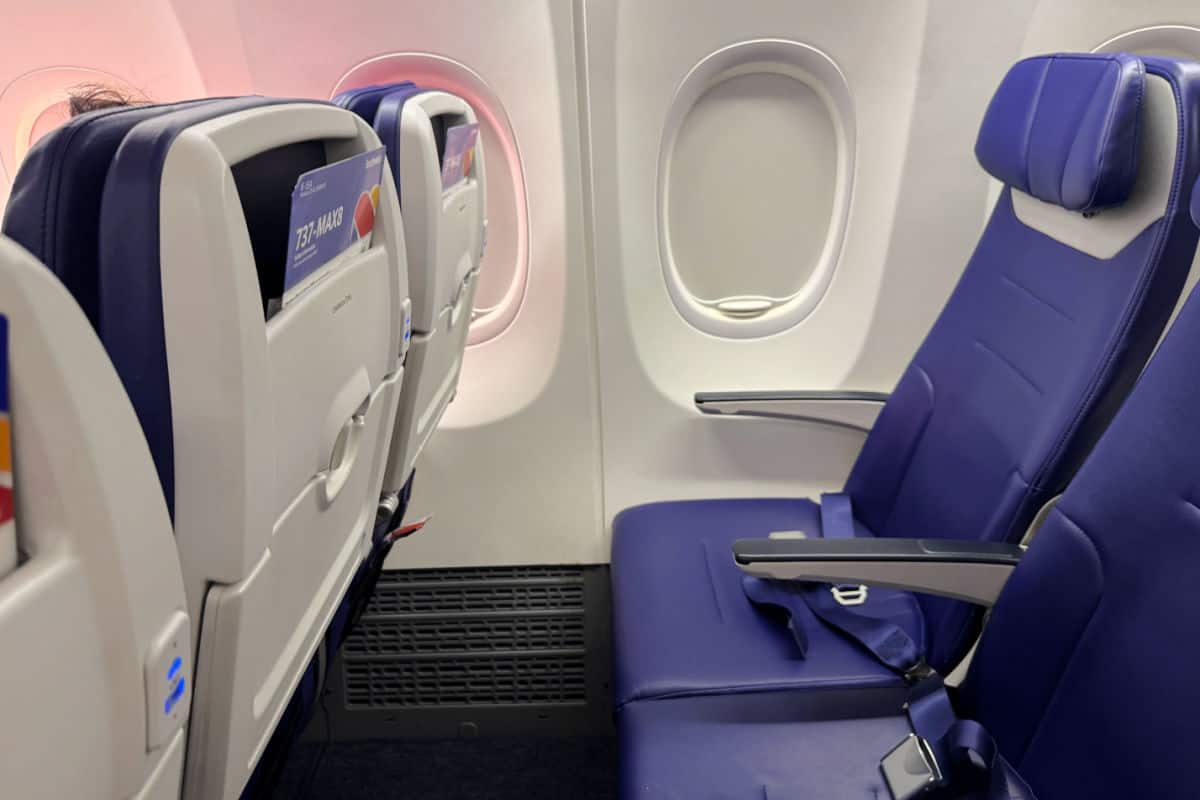
On Southwest Airlines, Basic passengers do not get to select their seats at all. As you might imagine, that often means that you'll get stuck in a middle seat. And for couples and family travelers, that means your party will often get separated and assigned to scattered middle seats all over the plane.
If you need to sit together as a family, particularly if you are flying Southwest with younger kids, you should avoid Basic fares unless you have another way to secure guaranteed seat assignments (the highest annual fee Southwest Priority credit card or A-List status, for example, will allow passengers to select seats at the time of booking for no additional fee).
Southwest does have a policy on its website that it will endeavor to seat children ages 12 and under with at least one accompanying passenger ages 13 and up. But this isn't a guarantee. Southwest hasn't signed on to the Department of Transportation's Fee-Free Family Seating commitment, so it isn't as reliable as airlines like American and JetBlue for keeping families together even when they book basic economy fares.
What to book on Southwest instead to avoid this mistake? You only need to go up one fare class to "Choice" (usually about $30-45 more each way), which includes a seat assignment. You can even buy a Basic fare and pay for seat assignments a la carte if you wish (although that option can cost a similar amount to Choice which gives you other perks).
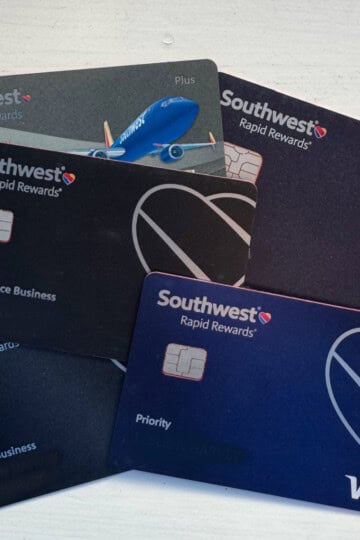
Alternatively, if you fly Southwest even just once or twice a year as a family, a Southwest credit card will likely pay for itself for the seat benefits. A Priority card is the best option because it allows you to select seats at the time of booking. But even a Plus or Premier card is better than nothing, as those cards allow you to select seats 48 hours in advance before all Basic passengers have seats auto-assigned. See all the details in my Southwest credit card comparison guide.
2. Booking family members on separate reservations.
Speaking of families, sometimes families may find themselves booking flight reservations separately.
I see this happening most often when a family wants to use Rapid Rewards points to book a trip, but find they don't have enough points in one single account to book everyone in the family. So, they book some family members with points and others with cash (or they book each family member individually with points out of multiple accounts).
Sometimes separate bookings also happen when family members commit to a trip at different times. In my family's case, I occasionally book a flight for myself and my kids, and my husband books later to join us if a work conflict clears up.
Under Southwest's new rules, however, booking separately can be a major mistake - particularly if you have a Southwest credit card.
Why? Southwest credit cards come with all sorts of perks that help mitigate some of the policy changes of the past year. Southwest credit card holders get one free checked bag, and depending on the credit card they have, have some priority for assigned seating.
But those benefits only extend to the card holder and everyone else traveling on the same reservation. They don't even extend to someone who is an authorized user of the card like a spouse! That means that if you book some family members' reservations separately, those people won't get to piggyback off of the card holder's benefits.
How can you avoid or minimize this mistake? Book everyone together with the card holder.
If you don't have enough points for a reward flight for everyone, just pay cash. Or at the very least, split reservations up strategically so you can get as many free bags or seat assignments as possible (e.g., book one person with points, and book everyone else in the family including the card holder on a separate single reservation).
If you fly Southwest frequently enough, you may even want to consider having more than one card holder in the family. My husband and I often fly solo for work, so we each have our own Southwest credit cards right now, which allows us to split our family of 4 into two separate reservations without losing our perks.
3. Booking Basic fares too far in advance.
Under the old Southwest systems, it was often smart to book trips as far in advance as possible. I remember well how I would log on to Southwest's site at 6:00am every few months on the day when a new block of the airline's flight schedule was released. There often were deals to be snagged then for booking early.
For many years, Southwest allowed passengers to cancel reservations with no penalty, giving them a travel credit that never expired. As a result, there was no risk to booking lots of flights as early as possible on schedule release days, even for speculative trips you might never take. If the trip didn't materialize, you'd just cancel and bank the fare credit for later use.
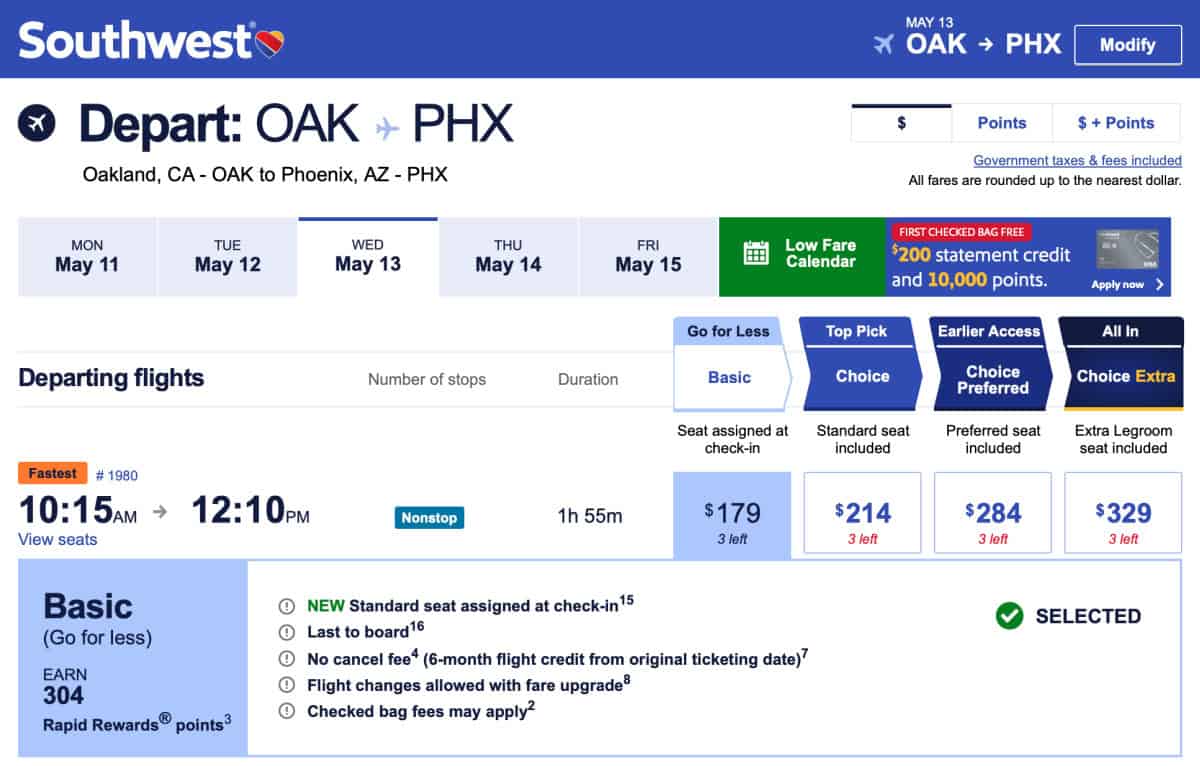
Under the new Southwest, the rules are all different. Fare credits expire again. And if you book Basic fares, those fare credits expire earlier than ever - 6 months from the date you originally booked the flight reservation.
That means if you book a Basic fare more than 6 months in advance and don't end up taking the trip for whatever reason (sickness, family emergency, etc.), the travel credit you would get from canceling that flight will already be expired by your travel day.
For that reason, I just don't think it's worth the risk to book Basic fares more than a couple of months in advance. If something unexpected happens, you won't have enough time to use the credit on another trip.
How to avoid this mistake? Book a Choice fare. Choice fares in contrast, at least give you a fare credit that is good for 12 months from the day of booking. That's a lot more usable for infrequent casual travelers to be able to redeem in time. (Even still, I wouldn't even recommend booking Choice fares 6+ more months in advance because that uses up more than half of the 12 month expiration window!)
Better yet? Book speculative travel or travel many months in advance with Rapid Rewards points whenever you have enough. If you need to cancel a points booking, the points are simply refunded to your account - no fare credit to keep track of or worry about expiring.
4. Booking Basic fares roundtrip instead of one-way.
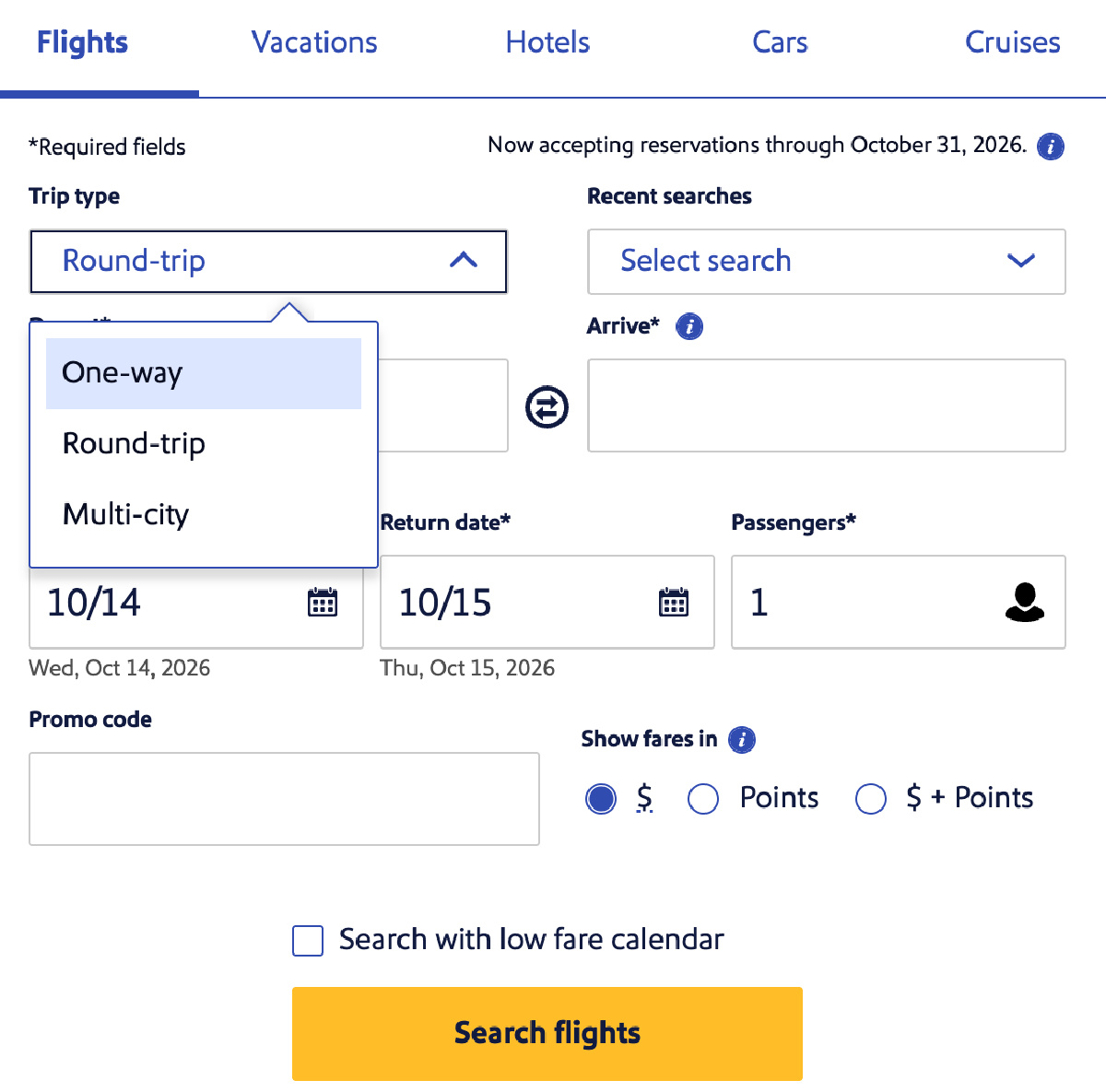
Southwest allows passengers to book flights either as one ways or as a complete round-trip. Unlike other airlines that sometimes mark up prices on one way flights, Southwest's flight prices are always mercifully the same no matter which way you book them. So for many years, it was simply a matter of personal preference how travelers went about making bookings.
Under Southwest's new rules, however there is one potential pitfall with roundtrip bookings that passengers buying Basic fares need to be aware of. Basic fares are not changeable. That means if a flight that you have booked later goes down in price, you can't change it to lock in the difference in fare as a credit anymore.
Instead, there is a bit of a hack you can still use on Basic fares to achieve the same result. You have to cancel the trip entirely, use the flight credit to rebook the same flight anew, and bank the differences as a fare credit.
That trick is all well and good, except it can have an unintended consequence on a roundtrip booking. Say you have booked a roundtrip and later one of the legs goes down in price while the other leg goes up. If you booked a Basic fare, you'd have to cancel the entire roundtrip and rebook both flights anew. The fare drop on one leg could well be entirely cancelled out by the fare increase on the other leg.
If you had booked that roundtrip itinerary as two one-way flights, however, you could leave the leg that increased in price untouched while canceling and rebooking the leg that had dropped in price.
The smarter strategy? Always book Basic fares as one ways only. There's no downside to you when it comes to the initial price of the flights, and there's only upside if prices happen to drop later allowing you to lock in a fare credit.
5. Booking with Cash+Points.
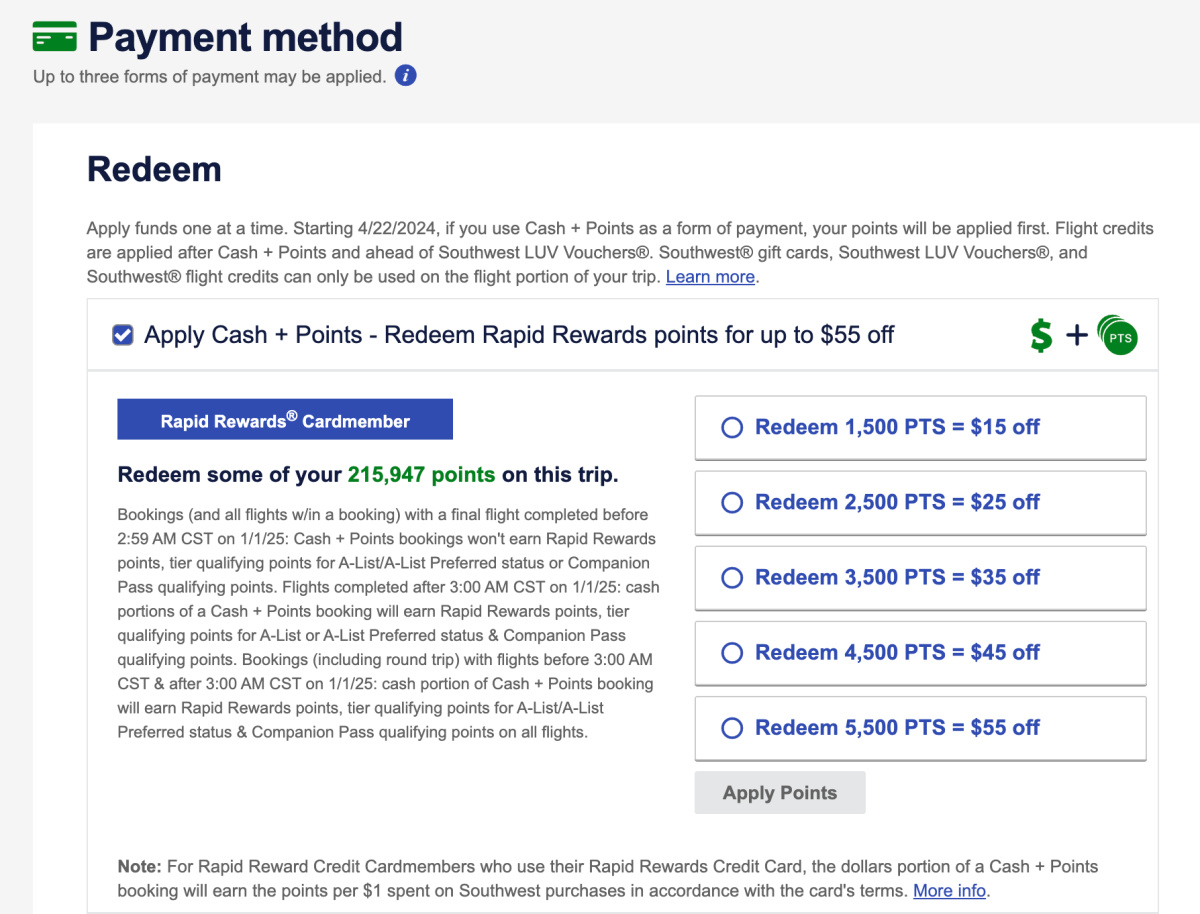
A little over a year ago, Southwest rolled out a third booking method on its website that allows travelers to book and pay for a flight with a combination of Rapid Rewards points and cash. While it might be tempting to book using this method if you don't have enough points to redeem for a whole flight, it turns out to be a really poor value.
Southwest Rapid Rewards points are worth about 1.2 or 1.3 cents per point each when redeemed for pure rewards bookings. There are even some redemptions that are as high as 1.6 or 1.7 cents per point. I've never seen any redemptions to date that are less than a penny per point.
Yet when you redeem points as part of a Cash+Points booking, Southwest only will give you flat 1 cent value per point.
Cash + Points bookings also don't earn Rapid Rewards points, even for the cash portion paid for the flight, so you miss out on the rebate you'd get by paying cash only.
How do you avoid making this mistake? Easy. Pretend Cash+Points doesn't exist. If you don't have enough Rapid Rewards points to book a flight, just wait until you do and pay cash in the meantime. Points never expire with Southwest so there's no risk you'll lose them while you wait, even if you don't fly that often.
6. Booking seats at the front of the plane if you need to stow a larger carry on.
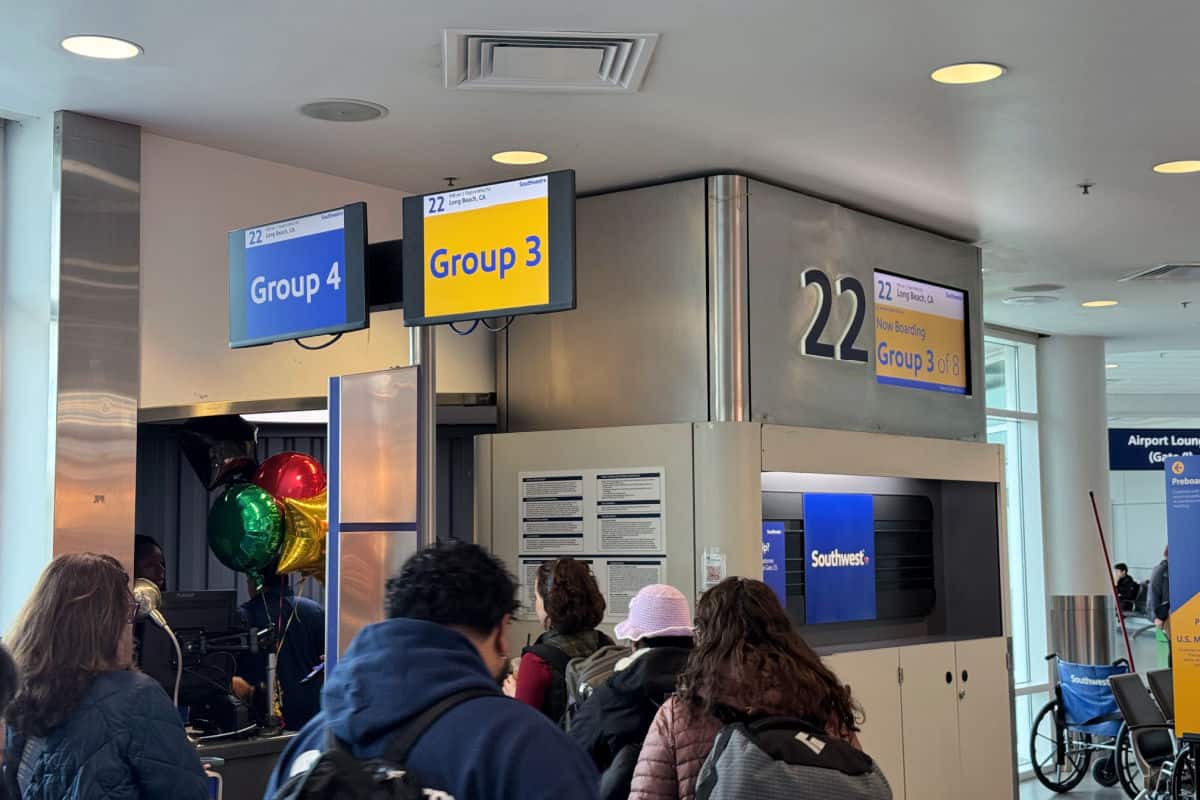
Southwest unveiled a new boarding group system with assigned seating, and it has pretty much been a bit of a hot mess so far. Planes are boarding slower than ever as passengers and crew adjust to the new system.
Most notably, passengers have observed real challenges with overhead bin space near the front of the plane filling up. Unless you are one of the very first people to board the plane (not necessarily guaranteed anymore even with A-List Preferred status!), you may not find overhead bin space for a carry on bag above your seat if you are sitting in the first 10 rows or so.
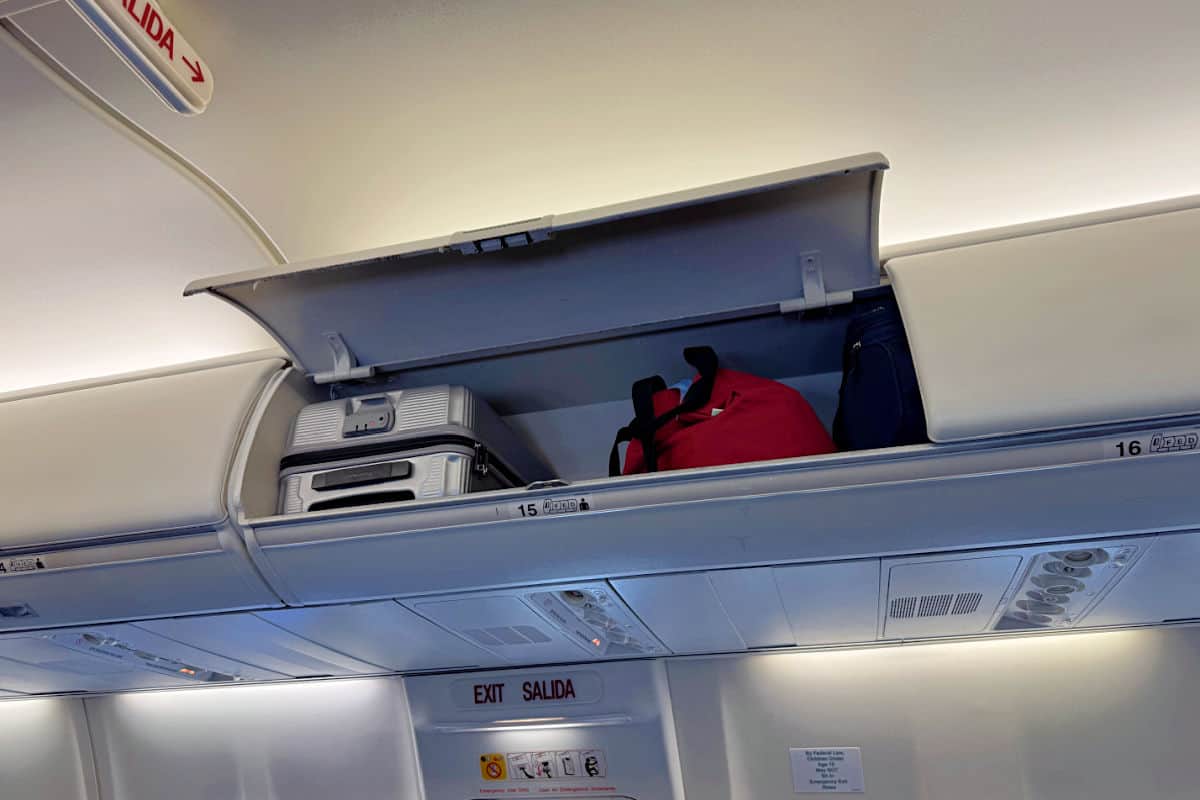
That means having to walk farther back on the plane to stow your bag - a real pain when it's time to deplane and you have to backtrack to retrieve it. The benefit to sitting on the front of the plane is being able to deplane quickly, and you won't be able to do that if you have to wait for the entire plane to clear to make your way back like a salmon swimming upstream.
Talk about unintended consequences. Southwest has indicated in emails to customers that it recognizes this problem and is actively making changes to try to mitigate it. But until the dust settles and we have proof these changes are sufficient, I recommend that savvy passengers do what they can to protect themselves.
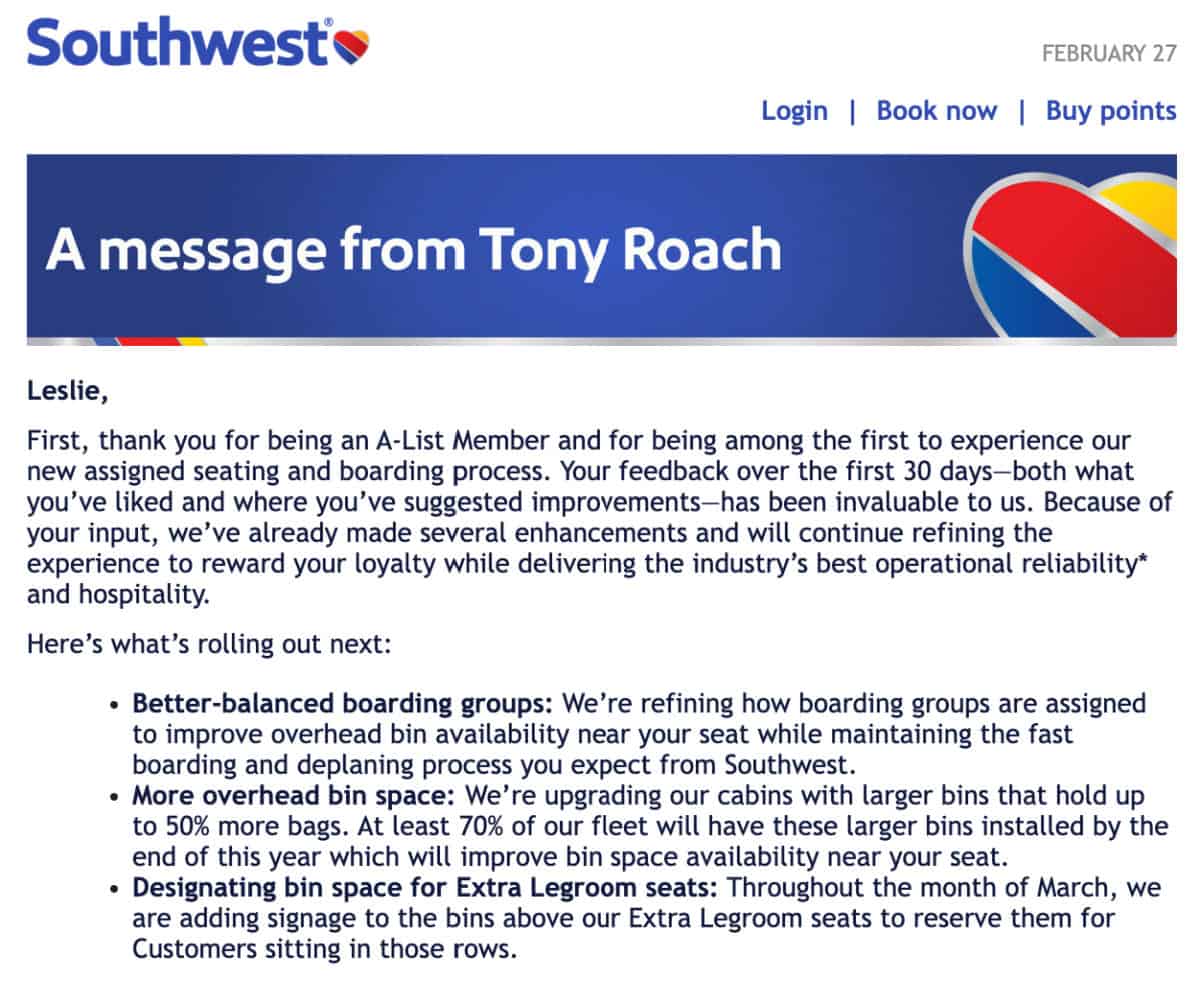
How to avoid this mistake? Only book seats at the front of the plane if you plan to check your bags and are bringing aboard smaller carryons that you'll store under your seat. If you have a larger roll-aboard, skip the Extra Legroom (and even the first few rows of Preferred) seats in the front half of the plane. Settle for a seat in the middle or back where you are much more likely to find bin space.
Even though I have Southwest A-List status and a Priority Credit Card that entitle me to a Preferred seat (and the right to upgrade to Extra Legroom seats 48 hours in advance), I'm not chancing it by selecting a seat assignment in the very front right now. When I flew in Preferred seats recently, I was assigned to Boarding Group 5 (yes, even with A-List!) and barely was able to find overhead bin space over my seat in Row 14 on a full flight.
7.Canceling your Southwest credit card in protest.
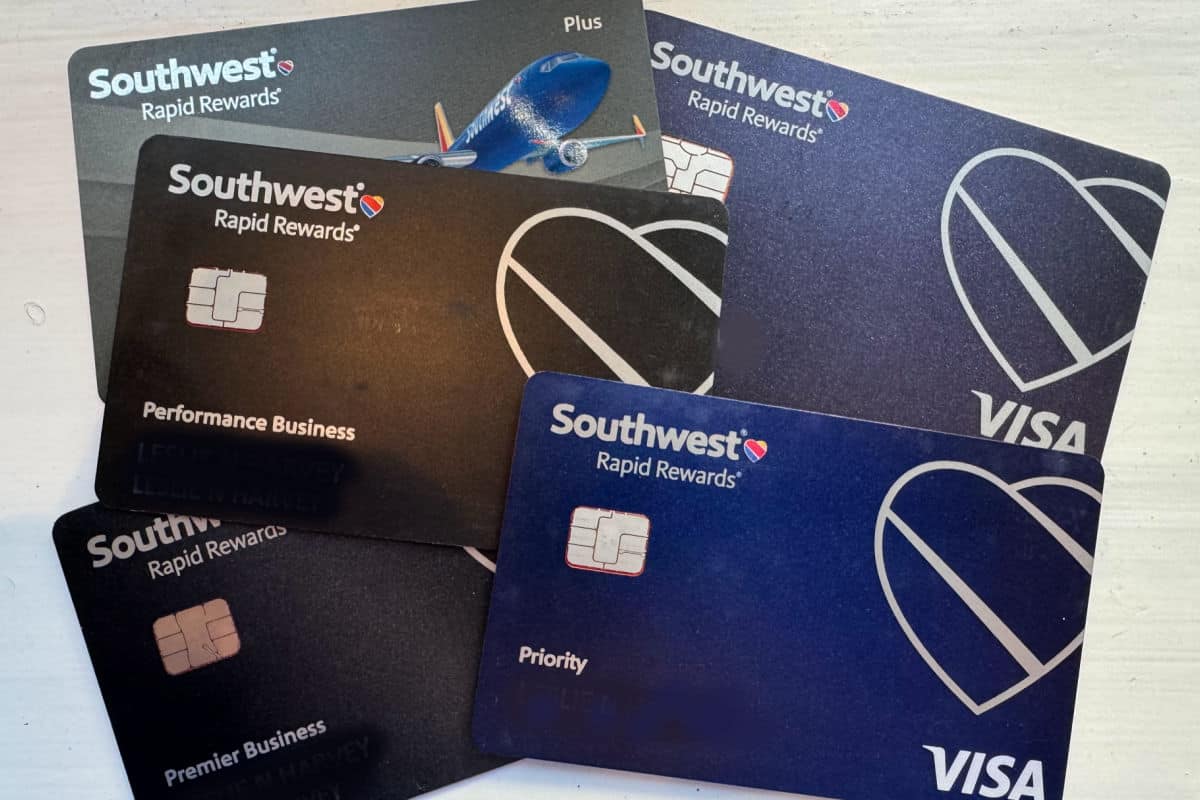
Last but certainly not least, a mistake I've seen a lot of previous Southwest regulars making the last few months is canceling their Southwest credit cards in disgust or protest. I certainly understand the impulse. The airline a lot of us knew and loved doesn't feel the same anymore. You want to communicate that dissatisfaction somehow.
But I'm also a practical left-brained person, and believe that you shouldn't cut off your nose to spite your face. If you flew Southwest before (enough to have a credit card), it's probably because they are an airline that has a fair amount of service to your home airport. It's likely going to be inconvenient or more expensive to avoid Southwest entirely. And let's be honest - it's not like the alternatives such as United, American, or Delta care about you and your loyalty or offer substantially better air travel experiences for the average economy passenger.
So pause before you pick up the phone to cancel that Southwest credit card. Instead, do the math on the value a credit card might provide to you. If you are going to fly Southwest at all, a credit card really does mitigate the negative impacts of a lot of the recent changes and will likely save you money overall. It will help you get free checked bags, a better boarding group, and earlier seat assignments.
And if you don't have a credit card and are planning to fly the airline, you should do the math too. A card will likely will be a better deal than buying seat assignments or Choice fares for a family on even a single round trip.
Final Thoughts
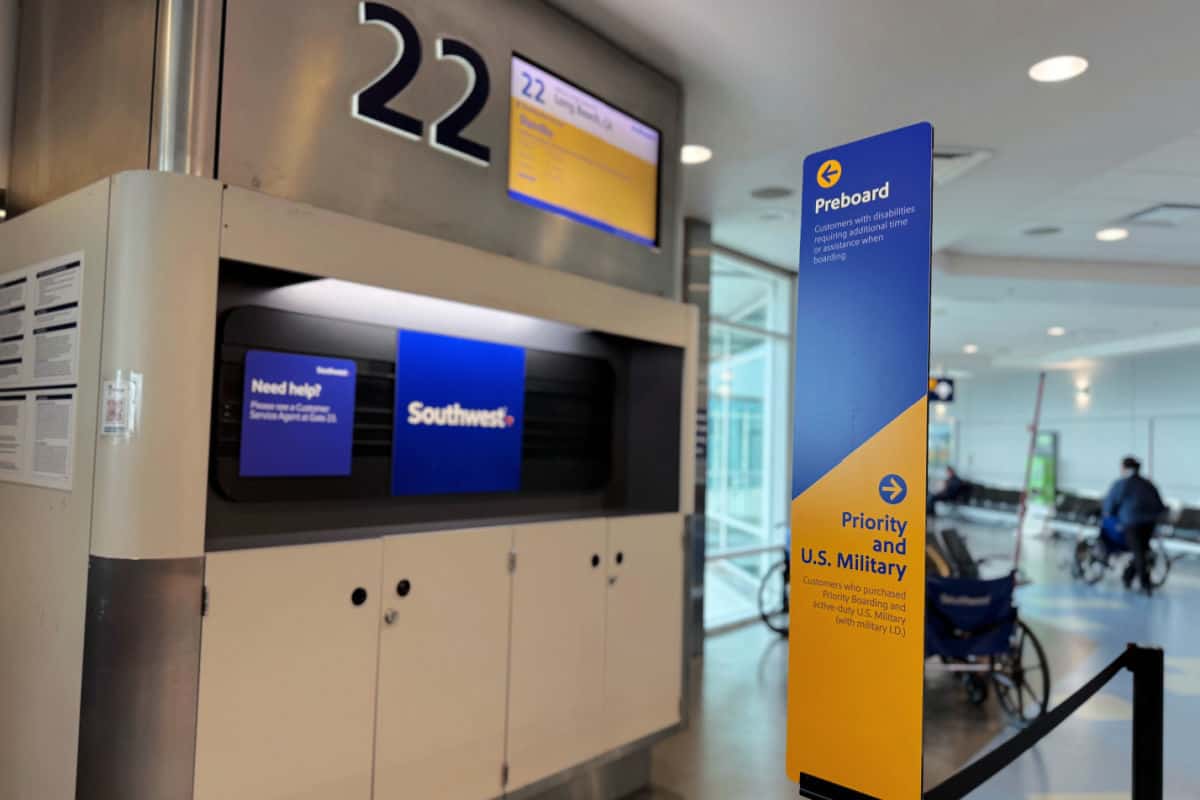
Change is certainly hard, and Southwest has changed up so much in the last year that it really is confusing and frustrating. The old tricks won't work anymore, and it's not always easy to decipher new ones. Its understandable that customers who had figured out a system that worked for them flying Southwest over the years are now making mistakes under new rules. Hopefully now many more of you are equipped to avoid the most common pitfalls!


Nell says
Thanks for this, Leslie! Common-sense, non-AI advice I can use. SWA has a bit of a monopoly at my regional airport and I've been sweating all these changes. I booked my mother-in-law and my daughter for an upcoming trip and we are keeping our fingers crossed that all the system-wide quirks become ironed out by then. Eventually, the goal is to use up ALL my flight credits and as many points as I can, spend the gift cards down and then reassess. :\